Every few years, the "where should I work abroad" question comes up in Filipino group chats. Singapore is one of the top destinations, close to home, fast to get to, and relatively easy to start in. But it’s not the right fit for everyone. This is an honest comparison of how Singapore stacks up against other major OFW destinations, with pros, cons, and what Filipinos actually experience in each.
This is general context, not legal or immigration advice. Immigration rules change all the time. Always verify with official sources for whichever country you’re considering.
Singapore
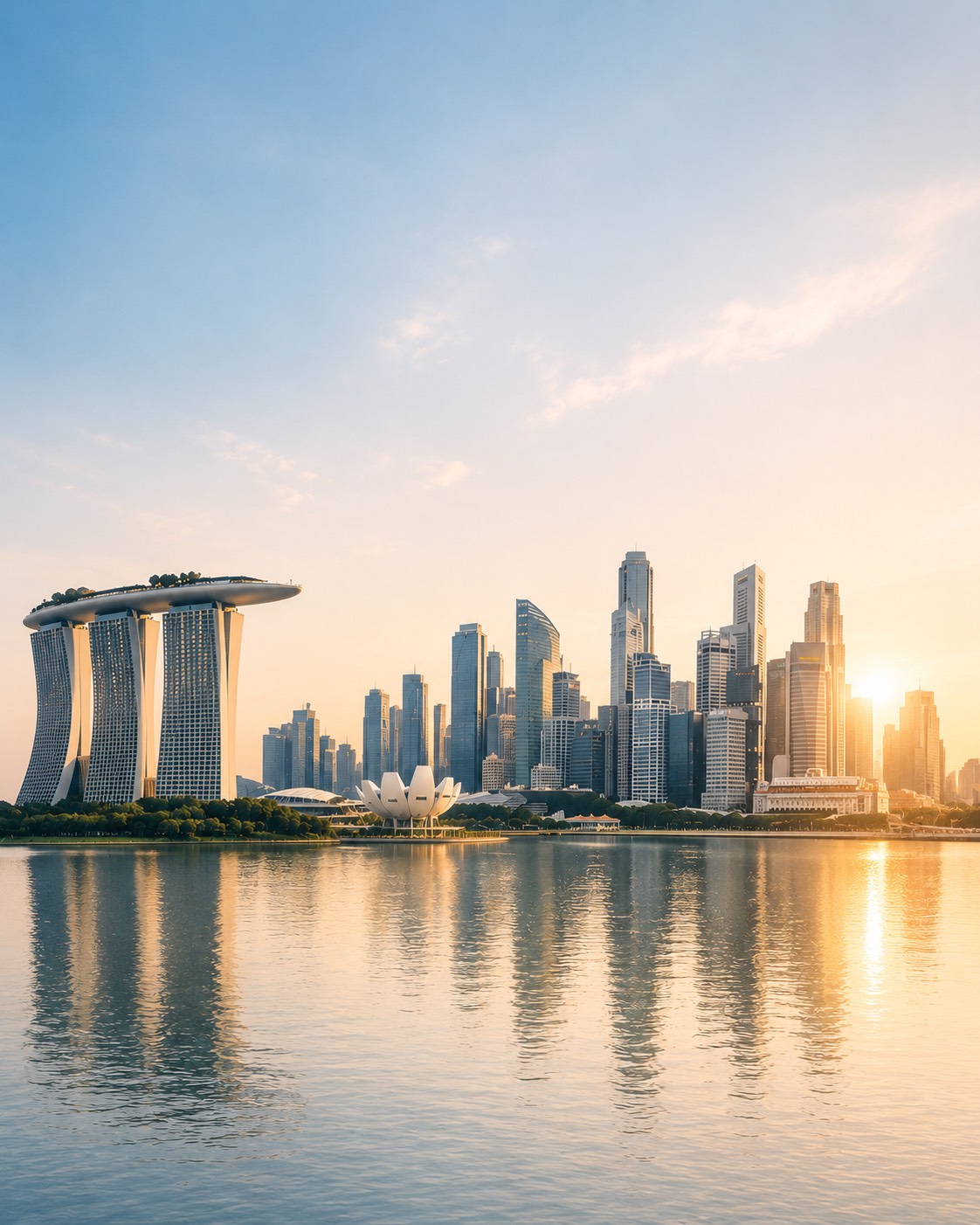
Strengths: Close to the Philippines, 3.5 hours by plane. English is widely used. Safe, clean, and efficient infrastructure. High starting salaries compared to many OFW destinations for Filipinos in tech, finance, healthcare, F&B, and professional services. Big and tight-knit Filipino community.
Challenges: Cost of living, especially housing. Path to permanent residency exists but is selective. Strong dependence on pass status, losing a job can mean losing your pass. Limited family reunification options unless you’re on an EP at certain thresholds.
Best for: Those who want to earn and save hard, keep strong ties with home, and be able to fly back often. Great for 3–10 year stints.
Strengths: Clear paths to permanent residency through Express Entry, Provincial Nominee Programs, and caregiver-specific routes. Family-friendly, once you have PR, family reunification and citizenship paths are meaningful. Public healthcare. Multicultural. Big, established Filipino community especially in Toronto, Winnipeg, Vancouver.
Challenges: Cold winters, genuinely tough for first-timers. Housing affordability is a real issue in major cities. Salaries for many service roles are lower than Singapore’s in nominal terms. Longer and more document-heavy immigration process.
Advertisement
Best for: Those willing to invest in Japanese language learning and who find the culture appealing.
Official reference:mofa.go.jp (Ministry of Foreign Affairs, Japan).
United Arab Emirates (UAE) and the Gulf
Strengths: Traditionally high demand for Filipino workers across hospitality, healthcare, construction, retail, and domestic work. Tax-free income in most cases. Short distance to the Philippines. Huge, active Filipino community.
Challenges: Work conditions and protections vary significantly by employer and role. Worker rights have improved with reforms but are still worth carefully evaluating per job. Hot climate year-round. Limited or no path to citizenship for foreign workers historically, though residency reforms have introduced new long-term visa options (e.g., the Golden Visa for specific categories).
Best for: Those with specific skills in demand (healthcare, aviation, hospitality, tech) or experienced OFWs returning to well-established employer networks.
Official reference:mohre.gov.ae (Ministry of Human Resources and Emiratisation).
United States
Strengths: One of the largest Filipino communities globally. Strong pay in tech, healthcare, and professional services. Varied paths to residency, employer sponsorship (H-1B, EB series), family-based, and nurse-specific green card routes. Deep cultural presence of Filipinos already established.
Challenges: Immigration is long, unpredictable, and often expensive. H-1B is a lottery with no guarantees. Cost of healthcare without employer insurance. Spread-out geography means community can be far.
Best for: Those with in-demand professional skills (nurses, tech, engineering, medicine) aiming for long-term settlement with strong cultural ties.
There’s no universal best. Filipinos in Singapore are often here because it’s practical, close to home, English-friendly, high earning power for the first few years, and easy to rotate back to the Philippines for family. If your goal is *permanent migration* with family reunification and citizenship, Canada or Australia may be a better fit long-term. If you want to save aggressively and go home in 5–8 years, Singapore and the Gulf are usually stronger.
It’s worth noting: many OFWs do this in stages, first Singapore or the Gulf to save and stabilise, then Canada or Australia for the long-term path. There’s no "only one shot" here.
Pick for your goals, not someone else's highlight reel
Don’t pick a destination based on a friend’s Instagram or a TikTok salary post. Pick based on your actual goals, family, savings, settlement, career. Each of these countries has people thriving and people struggling. Fit matters more than reputation.
Last reviewed April 2026. Immigration rules, wage data, and visa categories change frequently. Always verify specifics with the official government portals linked above before making major decisions.
Best for: Those aiming for permanent settlement, citizenship, and bringing family. Good long-term play, slower to start.
Official reference:canada.ca for immigration and residency.
Australia
Strengths: High wages in many skilled trades, healthcare, and professional roles. Strong worker protections. Path to PR through skilled migration, employer sponsorship, and regional programs. Great weather and outdoors. Growing Filipino community.
Challenges: Distance from the Philippines, flights are longer and more expensive. Housing in major cities is expensive. Skilled migration list changes based on priorities, so eligibility fluctuates. Cost of living can surprise new arrivals.
Best for: Skilled professionals aiming for long-term residency and a balanced lifestyle.
Strengths: Rising demand for foreign workers in healthcare (including nurse / caregiver programs like EPA), IT, agriculture, and tourism. Safe, orderly, and fascinating cultural experience. Visa reforms like Specified Skilled Worker (SSW) make entry clearer for certain roles.
Challenges: Language. Japanese is often required for most roles outside international companies. Social adjustment can be significant. Path to permanent residency is slower than Singapore or Canada for many visa categories. Work culture can be intense.