Visiting Singapore? A Filipino’s Travel Guide from Kababayans Who Already Live Here
Whether you’re here for a holiday or visiting family who works in SG, here’s the kababayan-approved playbook — visa rules, transport, food, Filipino spots, and the laws that’ll actually get you fined.
So you’re coming to Singapore. Maybe it’s your first trip out of the Philippines, or maybe your *ate* is finally flying you over to visit after three years of Viber calls. Either way, welcome — it’s a small country but there’s a lot to get right on your first visit.
This guide is written from the other side: kababayans who already live here, saying the things we wish someone had told us the first time we landed at Changi.
Visa, pass, and passport
Filipino passport holders can enter Singapore without a visa for short tourist visits — currently up to 30 days. Rules can change, so verify the current entry requirements at the Singapore Immigration & Checkpoints Authority (ICA) before booking.
At Changi you’ll clear immigration via the electronic e-Pass system (no paper stamp for most travellers since 2022). Make sure to:
Have proof of onward travel and accommodation ready in case immigration asks.
Before you fly
Your passport must be valid for at least 6 months from your entry date.
Declare anything you’re bringing in — especially food, plants, and meat products. Singapore is strict about biosecurity. Dried meats, fresh fruits, and some medications require declaration.
Do not pack chewing gum (genuinely illegal to import in bulk), e-cigarettes or vape devices (banned and confiscated), or tobacco beyond personal-use limits without declaring.
Cash threshold: you must declare if carrying more than S$20,000 (or equivalent) in cash on arrival.
Advertisement
5. National Gallery Singapore / National Museum — air-conditioned, some free admission days, perfect rainy-day plan.
6. Lucky Plaza on a Sunday — yes, put it on your itinerary. Eat Filipino food, remit money if you need, take a photo with the Jollibee sign.
Changi is consistently rated one of the best airports in the world. Signage is clear, walks are short, and you'll find your gate without stress.
After immigration and bag claim, your options into town:
MRT — the train from Changi Airport to the city costs about S$2–3. Buy an EZ-Link card at any station (S$5 card deposit + top-up value) for tap-in-tap-out on MRT and buses.
Taxi or Grab — S$25–40 to most city areas. Faster when you’re exhausted.
Airport shuttle bus — roughly S$10 to major hotels. Book at the arrivals lounge.
Avoid unlicensed taxi touts outside arrivals. If it’s not the official queue, don’t get in.
Where to stay
Singapore’s budget rule: anything cheaper than S$100 a night is usually a hostel bed or very basic. Reasonable areas for first-time visitors:
Orchard / Lucky Plaza area — close to everything and to Filipino food, but pricier (S$180–300 for mid-range).
Little India / Bugis — a great mix of budget hotels (S$80–150) with easy MRT access.
Chinatown — atmospheric, budget-friendly, safe at night.
Geylang — cheapest rates in the city, but read reviews carefully; the area has a mixed reputation at night.
Visiting family who work here? Some OFWs can’t host visitors at their employer’s home. Talk about this *before* you book flights; a cheap hotel nearby is often the safer play.
Getting around
EZ-Link is the single best purchase. Works on MRT, buses, some taxis, many retailers.
Google Maps here is freakishly accurate on bus arrival times.
Grab is the default ride-hail app.
Singapore is walkable, but hot — mall-to-mall underground tunnels connect most of the city centre. Use them.
Must-see, kababayan-style
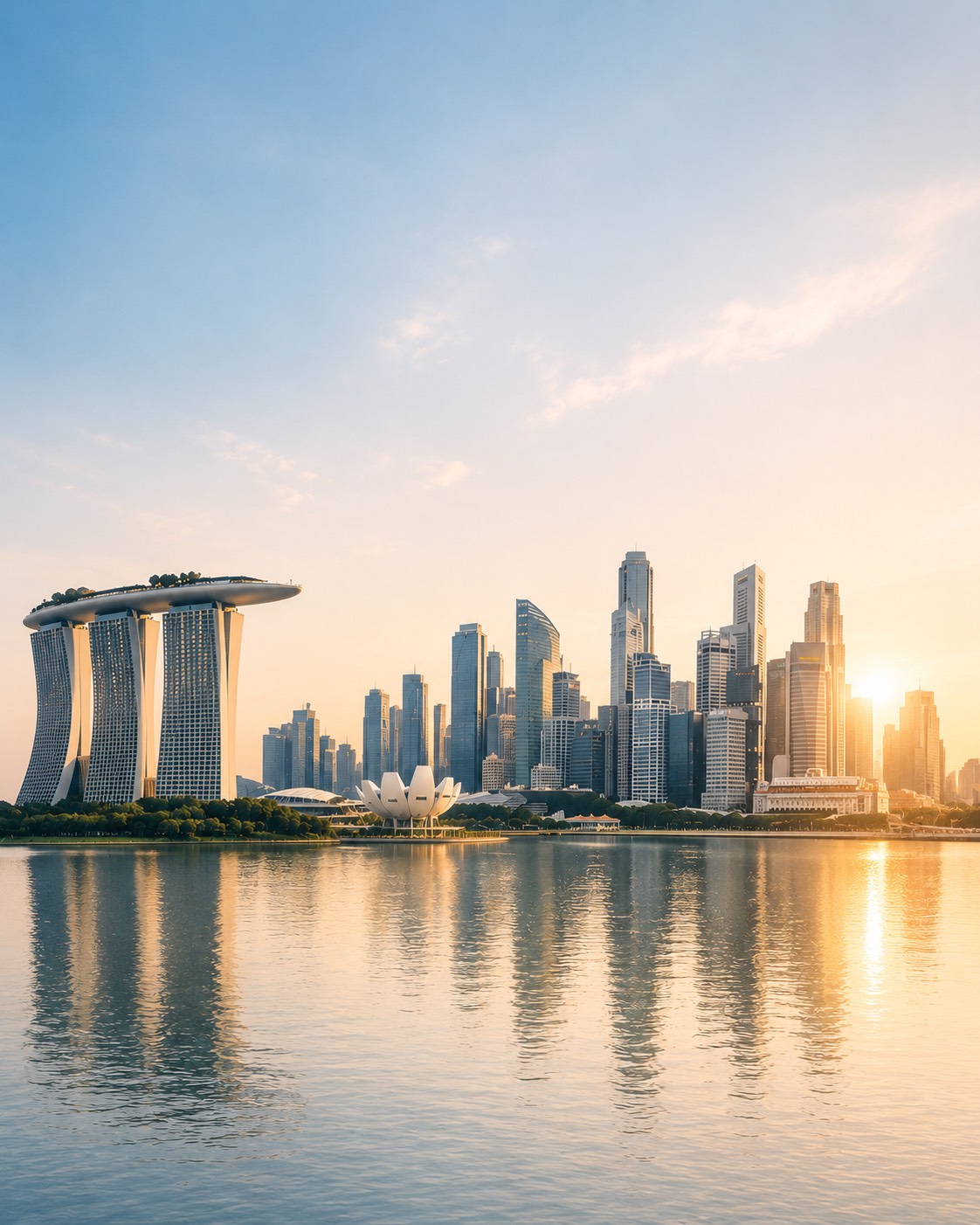
1. Marina Bay Sands + Gardens by the Bay — the postcard shot. Gardens by the Bay outdoor sections are free; the Cloud Forest and Flower Dome domes charge admission.
2. Merlion Park — obligatory photo, 30-minute stop, then move on.
3. Sentosa Island — half-day to full day. Universal Studios adds up fast (~S$80+); the beaches, cable car, and Skyline Luge are more budget-friendly.
4. Chinatown + Little India + Kampong Glam — three distinct cultural quarters in one afternoon if you pace yourself.
Hong Lim Park — Sunday community groups often meet here.
Things that’ll shock you (in a good way)
Tap water is safe to drink. Really.
Public toilets are clean and widely available.
Crime is very low — walking at 2am in most areas is fine.
Lost phone or wallet? A surprising number get returned via MRT or mall lost-and-found.
Police: 999
Ambulance / Fire: 995
Philippine Embassy of Singapore: check philembassy.sg for the current hotline and the 24-hour duty officer number for Filipino nationals in distress.
A note for visiting family
If you’re flying in to see your OFW relative, plan the visit around their rest day. Most domestic workers have one rest day per week, often Sunday. EP and S Pass holders generally work standard weekdays. Your family member will want to spend the visit with you — don’t accidentally book tours on their only day off.
Bring pasalubong, but pack light. You’ll buy more before you leave.