5 Things Pinoy Moms in SG Do Na Pumipigil sa Anak (Honest Take)
Hindi 'mom-shaming' ito, observation lang of patterns na maraming Pinoy parents sa SG ang quietly nag-eevaluate. Eto ang 5 specific habits at honest reframes.
By FIS Editorial··6 min read
Share
Editorial note: This piece is from one Filipino mother to another. It is observational and reflective, based on patterns FIS readers have shared in DMs and conversations. No one is doing parenting wrong. We're just naming things that maraming kababayan ang quietly recognising sa sarili nila, and offering reframes that have helped families thrive.
If something here doesn't apply to you, skip it. If something stings, pause and consider it gently. We are all learning.
---
Sa kababayan ko, mga inay:
Pagkagising ng anak mo this morning, malamang inutusan mo siya. Hindi malisyoso, "ayusin mo ang kama, kumain ka, mag-toothbrush." Pero kung manghahanapan tayo ng patterns na hindi tayo namamansin, may ilang habits tayo bilang Pinoy moms sa SG na pwedeng konting-tweak para mas makapag-flourish ang anak natin.
Eto ang 5, honest.
1. Saying "wag mong gawin yan, baka ma-injure ka"
The pattern
Pinoy parental instinct = protect first, explore second. Sa SG, where the environment is safer than where many of us grew up (sub-urban Manila, provincial PH), we sometimes carry over the protect-first reflex to situations that don't need it.
"Wag kang umakyat sa playground equipment, baka mahulog ka."
"Wag kang lumangoy nang malalim, malayo ako sa'yo."
"Wag kang tumakbo, baka madapa ka."
Why it can hold the kid back
Kids learn risk management by trying small risks. Over-protected kids in SG (who already have a relatively low-risk environment) sometimes grow up:
Risk-averse to a fault, afraid of starting things they might fail at.
Less physically confident, struggle in PE, sports, outdoor activities.
Hesitant to try new social situations, afraid of "what if I look silly."
Compared to peers (SG kids, especially) who are raised to try, fall, adjust, our kids can lag in confidence-building.
The reframe
"Ingat ka. I'll watch you. If you fall, kakargahin kita." Then let them climb the slightly-too-high thing. Stay close enough to catch, far enough to let them try.
The trick: replace "wag mong gawin" with "ingat ka, try mo." The message becomes *I trust you to try carefully*, not *don't try*.
2. Comparing to ate, kuya, pinsan, or "yung anak ni Tita ___"
The pattern
This is so common, it's almost a kababayan parenting tradition:
"Tingnan mo si ate, marunong na siya basa nung edad mo."
"Yung anak ni Tita Glo, may medal na sa Math."
"Bakit hindi ka kasing-galing ng pinsan mo?"
Sometimes said in front of others. Sometimes said in private. Sometimes in jest. Always lands harder than we mean it to.
Why it holds the kid back
Comparison-based motivation is short-term productive but long-term corrosive. Studies (and FIS reader interviews with grown-up kids) show:
Kids develop chronic insufficiency feelings, "I'm never good enough."
They become competitive in unhealthy ways, see siblings as rivals, not allies.
They hide failures instead of asking for help.
They grow into adults who chase external validation indefinitely.
The reframe
Compare your child to last year's version of themselves. "Last year, kaya mo lang 5-letter words. Ngayon, 8-letter. Ang galing mo."
If you must mention another kid, only positively and only when your child is doing well too. The cousin earning a medal can be celebrated alongside your kid earning their own thing, never as a stick.
3. Doing things for them na they could do themselves
The pattern
Pagmamahal ang labas sa Pinoy mom. We love by doing, packing lunch, ironing clothes, cleaning the room, even at age 12-15.
Combine that with the SG hyper-competitive school environment, and many Pinoy moms in SG:
Pack 13-year-old's school bag the night before.
Tie 10-year-old's shoes.
Order food for them at hawker stalls (instead of letting them practise).
Handle all school communication (instead of letting them ask their teacher directly).
Why it holds the kid back
Kids grow into adults who can't function independently. They reach 18 unable to: cook simple meals, do laundry, manage their own schedule, advocate for themselves at school/uni, deal with disappointment without parents stepping in.
The "successful Pinoy student" stereotype hides a lot of adulting deficits that emerge in their 20s, when mom isn't there to fix everything.
The reframe
Advertisement
Drop one "doing-for" task per month as they age. By age:
12: booking own doctor appointment, talking to teacher about issues.
15: managing own schedule, opening own bank account.
It's harder for you, you have to let them stumble. But the stumble is the point.
4. Treating Tagalog / Filipino-ness as embarrassing in front of SG friends
The pattern
In mixed Pinoy-Singaporean settings, the Pinoy mom quietly codes-switches not just language but identity:
Drops Tagalog completely when SG friends are around.
Doesn't mention Filipino food when ordering for the kid's playdate.
Skips Filipino events because "wala namang sigurado yung kasama ng anak ko."
Kids absorb the signal: "Being Filipino is not for outside spaces."
Why it holds the kid back
Kids develop internalised cultural shame. They:
Hide their Filipino-ness at school.
Refuse to bring Pinoy lunch to school.
Don't want to visit PH ("baka pangit doon").
Grow up unable to bridge their two cultures, they bury one.
This shows up later as identity crisis in late teens / 20s. (See our Tagalog-kids guide.)
The reframe
Be unapologetically Filipino in mixed settings. Greet your kid in Tagalog at school pickup. Send adobo in their lunchbox. Talk about your PH hometown to their SG friends like it's normal (it is). Model pride, not apology.
The SG friends don't actually mind. SG is multicultural. It's our internal projection that creates the shame, not theirs.
5. Equating "love" with "control"
The pattern
Pinoy maternal love sometimes expresses as micro-managing every life decision:
Choosing kid's friends.
Choosing kid's college course (or pre-deciding it as early as age 10).
Choosing kid's career path.
Choosing kid's partner (the "introduce-mo-muna-kay-mama" pre-screen).
We do this out of love. Out of fear that they'll choose wrong. Out of cultural template (our own moms did it; mga sarili nating moms did it sa atin).
Why it holds the kid back
Kids raised under high parental control develop into adults who cannot self-direct. They:
Wait for parent approval into their 30s.
Marry partners they don't love because "gusto ni mama."
Choose careers they hate because "yan ang stable."
Resent their parents quietly for decades, even while remaining "good kids."
The reframe
Mentor, don't manage.
Ages 0-12: you set the rails. Hands-on.
Ages 13-18: you advise. Give input on big things. Let small things go.
Ages 18-22: you support. Their decisions are theirs.
Ages 22+: you cheer. They are adults. You are a resource, not a director.
The hardest age is 13-18. They start asserting independence. You will feel like you're losing them. You are not. You are watching them become themselves. Trust the foundation you built.
Closing
Ate kababayan, walang manual sa atin. We parent in a country that is not where we grew up, in a culture sometimes very different from ours, while juggling work, remittance, and distance from our own moms.
You are doing more than enough. Whatever you keep or change from this list, gawin mo from a place of love, not guilt. Wag kang harsh sa sarili mo.
The kids we raise here in SG are the bridge generation. They carry both Pinoy and SG forward in their own way. Our job is to give them the foundation, then to trust them to walk their own path, even if that path looks different from what we imagined.
---
If this piece helps, share it with another Pinoy mom in SG. We're in this together.
Last reviewed 15 May 2026. This is reflective editorial commentary based on FIS reader community input and Filipino-SG parenting conversations. Not professional educational, psychological, or family-therapy advice. For specific concerns, consult a licensed family therapist.
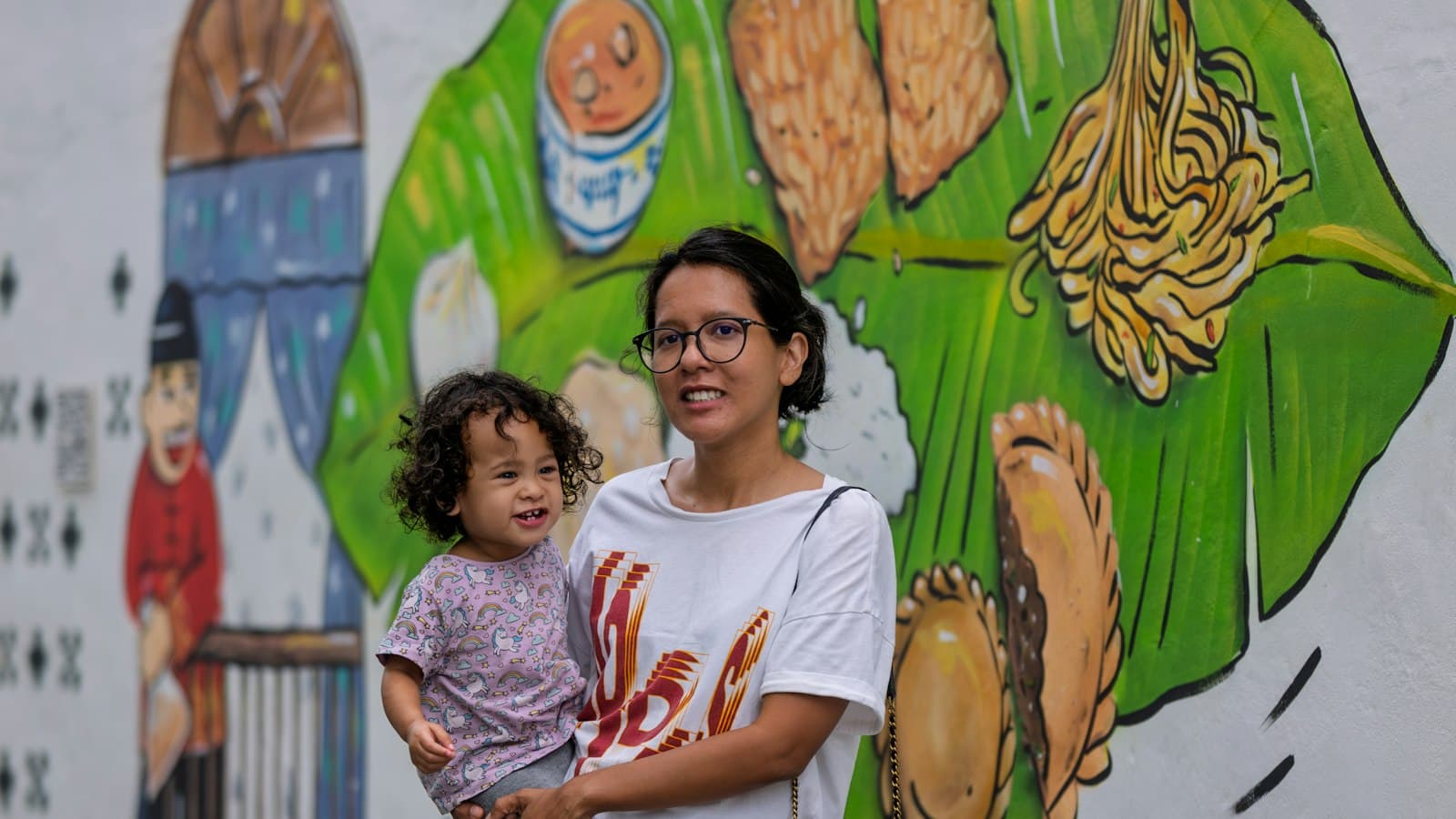
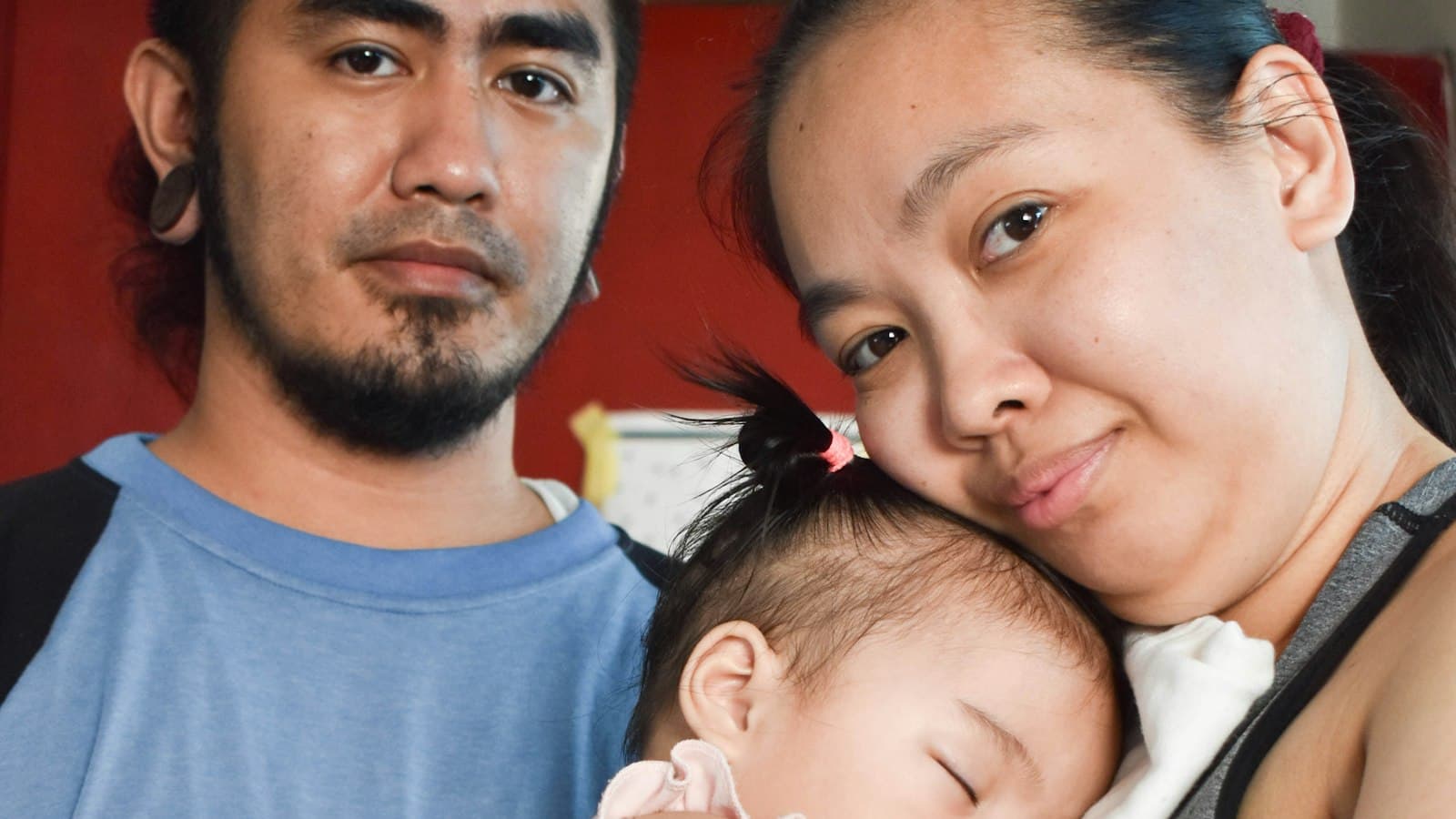
Hero image: thematic editorial reuse from FIS parenting coverage.

Share
#Family#Parenting#Mothers#Children#Identity#Filipinos in Singapore