The Filipino kids who grew up in Singapore rarely turn out fully Pinoy or fully Singaporean. They become Filipino-Singaporean, and the parents who accept that early tend to have the warmest homes.
Many Pinoy parents in SG ask the same quiet question: "Ang anak ko, magiging Filipino pa rin ba?"
It shows up at the Pasko reunion, when the 9-year-old tastes lola's adobo and asks, "Mom, can I just have the rice plain? Sour."
What's getting passed down
What passes down with ease:
Family respect: po, opo, mano to lolas and lolos.
Catholic or Christian faith: Mass, prayers, sacraments.
Food at home: adobo, sinigang, lugaw, pancit on birthdays.
Bayanihan: helping kababayans in trouble.
Music, from "Anak" by Freddie Aguilar to OPM mainstays.
What struggles:
Tagalog fluency. Kids understand a little, then switch to English.
Philippine geography and history. Rizal Day and Bonifacio feel vague.
Provincial roots. "May baryo kami sa Bicol" sounds like a faraway country, not heritage.
Dishes beyond the top 5. Dinuguan? Pinakbet? "What's that?"
What fades:
Pakikisama, the unspoken social rules of Pinoy interaction.
Tampuhan and banat humor in Tagalog.
Comfort with kamayan.
PH brands: Argentina, Lucky Me, UFC, San Miguel.
Pop culture like Pinoy Big Brother and Showtime.
Why this happens (and it's not the parents' fault)
School runs in English. SG Mother Tongue options are Mandarin, Malay and Tamil. Schools do not teach Tagalog.
Playmates are multi-ethnic. English is the common ground.
Media is global. Disney+, YouTube Kids, K-pop and anime win. PH TV is harder to get here.
Parents run short on time. OFW hours leave no room for daily Tagalog drills.
Status signals. Some kids notice "Filipino-ness" can carry lower status in SG schools, so they hide it in public.
What the kids become
Advertisement
FIS reader interviews point the same way. SG-Pinoy kids become a third thing: Filipino-Singaporean.
Parents who insist on "pure Pinoy" argue with reality every Christmas. Parents who write their kid off as "basically Singaporean" miss the upside: kids who span two cultures are rare and valuable.
What works for parents
One Tagalog meal a week, eaten together. Adobo Sunday is enough.
One PH trip a year, 2 to 4 weeks if possible. Time with cousins beats 6 months of weekend drilling.
One PH ritual a quarter: a Filipino-style birthday, Misa de Gallo, Holy Week, Independence Day at the Embassy.
Stop comparing your kid to Filipinos who stayed in PH. Compare them to last year's version of themselves.
Let kids choose what they keep. A 14-year-old who cooks sinigang for friends is a win, Tagalog or not.
The reckoning
Hindi mo lahat ng Filipino tradition mo ay maipapasa sa anak mo. At okay lang yan.
Advertisement
What you can pass on is the spirit: family first, warmth toward strangers, hard work, faith, music, food and gathering.
Tagalog grammar and the kare-kare recipe are nice to have. What matters is a kid who knows they belong to two homes and respects both.
Last reviewed 15 May 2026. Reflections based on FIS reader community input + Filipino-SG family interviews; not professional educational or psychological advice.
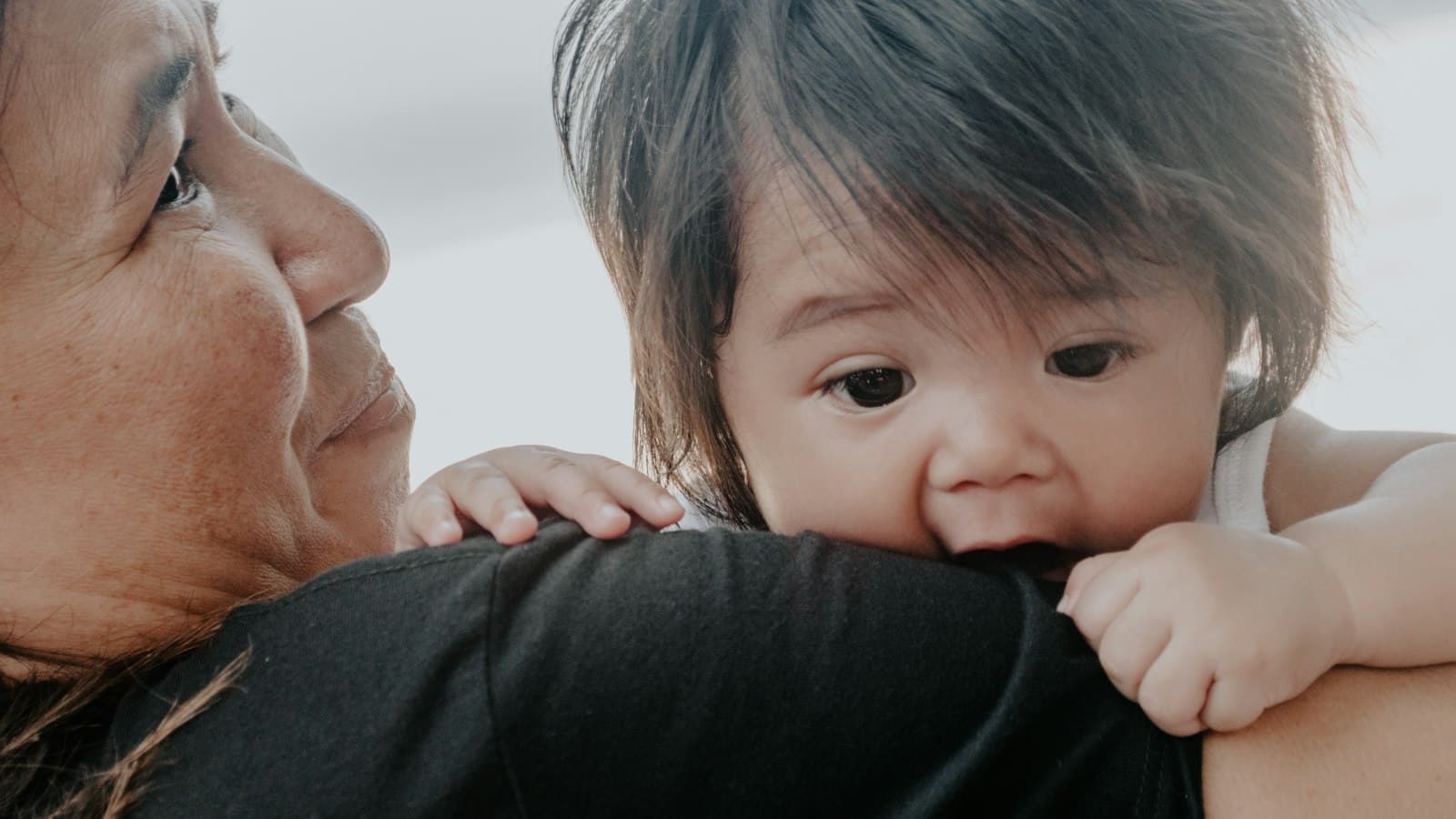
Hero image: thematic editorial reuse from FIS culture coverage.