Day of the Seafarer: Honoring the Filipinos Who Keep the World, and Singapore, Moving
June 25 marks the Day of the Seafarer. For a country that crews more of the world's ships than any other, and a port city built on the sea, this one is personal.
Every time a box of goods lands at a Singapore supermarket, a phone ships from a factory, or fuel reaches a power plant, a crew at sea made it happen. On 25 June the world stops to name them. The Day of the Seafarer, which the International Maritime Organization has marked since 2011, honors the roughly two million people who run the ships that move most of global trade. For us, this date lands close to home.
Carrying world trade, carrying the risks
This year the IMO built the day around one line: "Carrying world trade. Carrying the risks." It is a blunt theme, and a fair one. Ships move about 80 percent of the goods that cross borders, yet the people aboard work months away from family, through storms, piracy, and war-zone choke points like the Red Sea. When a vessel gets attacked or stranded, it is a seafarer, not a shipping executive, who sits in the danger. The 2026 campaign asks the rest of us to see that cost, not only the cargo.
Why this day is a Filipino day
No country sends more of its people to sea than the Philippines. For decades we have been the manning capital of the world, and the numbers hold: the Department of Migrant Workers counted more than half a million Filipino seafarers deployed in recent years, one of the largest national crews on the planet. Walk the engine room or the bridge of a container ship almost anywhere, and the odds are good a kababayan is on watch.
That work feeds families across the Philippines and pads the national economy with billions of dollars in remittances every year. Behind each figure is a parent who missed a birthday, a spouse who held the household together over a video call, a cadet from a maritime school in Iloilo or Cebu chasing an officer's stripes. If you are reading this in Singapore, you may be the sibling, the cousin, or the anak of one of them.
Advertisement
Singapore's part in the story
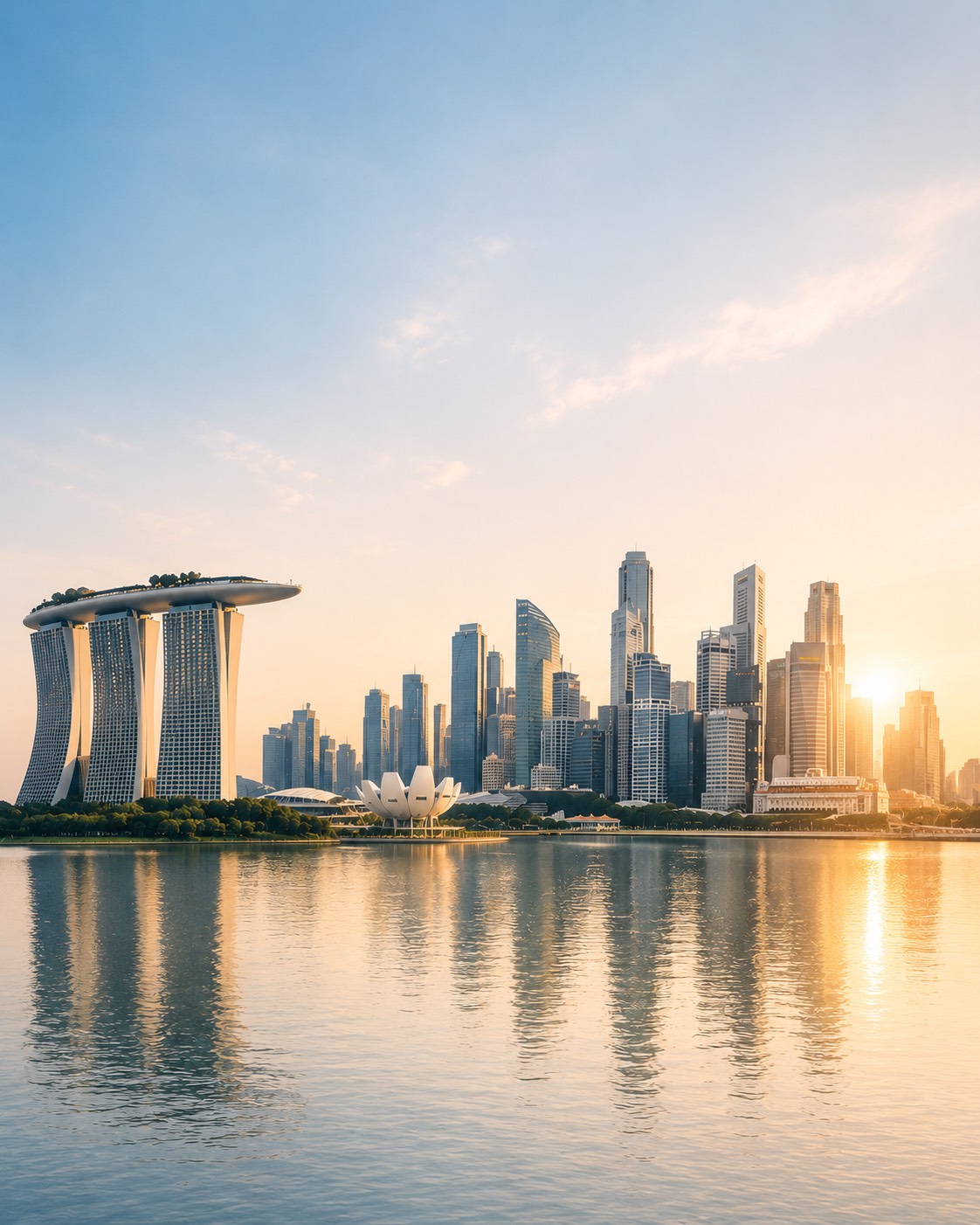
Singapore sits at the center of this world. The port is one of the busiest on earth and a top global hub for crew changes, the moment a seafarer signs on or off a ship. During the pandemic, when borders slammed shut and hundreds of thousands of crew were stranded at sea past their contracts, Singapore was among the first to keep crew changes running, and many Filipino seafarers rotated home through it.
The link runs onshore too. Plenty of Filipinos here work the maritime trade from land, in manning agencies, ship management offices, and marine services that keep the fleet staffed and supplied. Welfare groups based in Singapore, like the seafarer missions that meet ships at the terminals, hand out sim cards, a hot meal, and a friendly face to crew who have not touched land in weeks. Some of those volunteers are Filipino too.
Advertisement
How you can honor a seafarer this week
You do not need a ceremony. Call the tito or kuya who is out at sea right now and let him hear a familiar voice. Message the wife or mother holding the fort at home and ask how she is, not only how he is. If you know a maritime cadet, share a lead or a word of encouragement, because the industry needs the next batch of Filipino officers more than ever.
And when you next unpack groceries at the HDB, or tear open a parcel that crossed an ocean to reach your doorstep, remember the hands that carried it. The Day of the Seafarer is one date on the calendar. The gratitude can last longer than that.