My First Year as a Filipino in Singapore: What I Wish I Knew
The cheat sheet nobody handed you at Changi — housing, MRT, banking, remittance, food, and how to survive the first six weeks of homesickness without draining your savings.
The first week, everything is fine. The airport is clean, the MRT is incomprehensibly efficient, and your HR coordinator is reading off a script about CPF you only half understand. Then week three hits, you bite into your first overpriced convenience-store sandwich, and you think: *Lord, ano ba talaga ang pinapasok ko?*
If you’re about to land in Singapore as a Filipino worker — or you just did, and the culture shock is a loud hum in the background — here’s the cheat sheet I wish someone had pushed into my hands at Changi.
Where you live will define your first year
Singapore rent is the quiet villain of your first paycheck. A private room in a shared HDB flat — what most Filipinos here rent — runs roughly S$800 to S$1,500 a month depending on neighbourhood, the state of the flat, and how many strangers you’re sharing a kitchen with. A bedspace (yes, an actual bunk in a room with others) runs lower, but you’ll learn what 5am kitchen noise sounds like.
Three things nobody tells you:
Utilities may or may not be included. Ask upfront. If not, budget an extra S$60–120 a month.
Deposit is usually 1–2 months of rent, on top of the first month. That’s a real amount of cash you need to float before your first paycheck lands.
Agent fees vary — typically half a month to a full month’s rent. Filipino-to-Filipino rentals via Facebook groups often skip this, which is one reason those groups exist.
Start the search before you land. SRX, PropertyGuru, and Filipino rental groups on Facebook are where the listings live.
Transport is your friend once you learn it
Buy an EZ-Link card at any MRT station or 7-Eleven the day you arrive. Tap on, tap off — that’s it. MRT plus buses get you almost everywhere. Grab is great but eats through your budget within a week. Walk when you can. Singapore is relentlessly walkable, and underground pedestrian tunnels connect most malls so you don’t melt in the heat.
Advertisement
Lucky Plaza remittance shops — fast, hands you a paper receipt, good for sending to a specific bank or pickup location in the Philippines
Instarem, Wise, SingX — app-based, usually better exchange rates for larger amounts, fully digital
GCash/Maya via digital remittance services — convenient for Filipino recipients on e-wallets
Compare rates before sending. The difference between shops and apps on a S$2,000 remittance can be 40–60 pesos per dollar total — which adds up over a year.
For the street-level experience of remitting in Lucky Plaza, see our Lucky Plaza 101 guide.
Food: your budget will live or die here
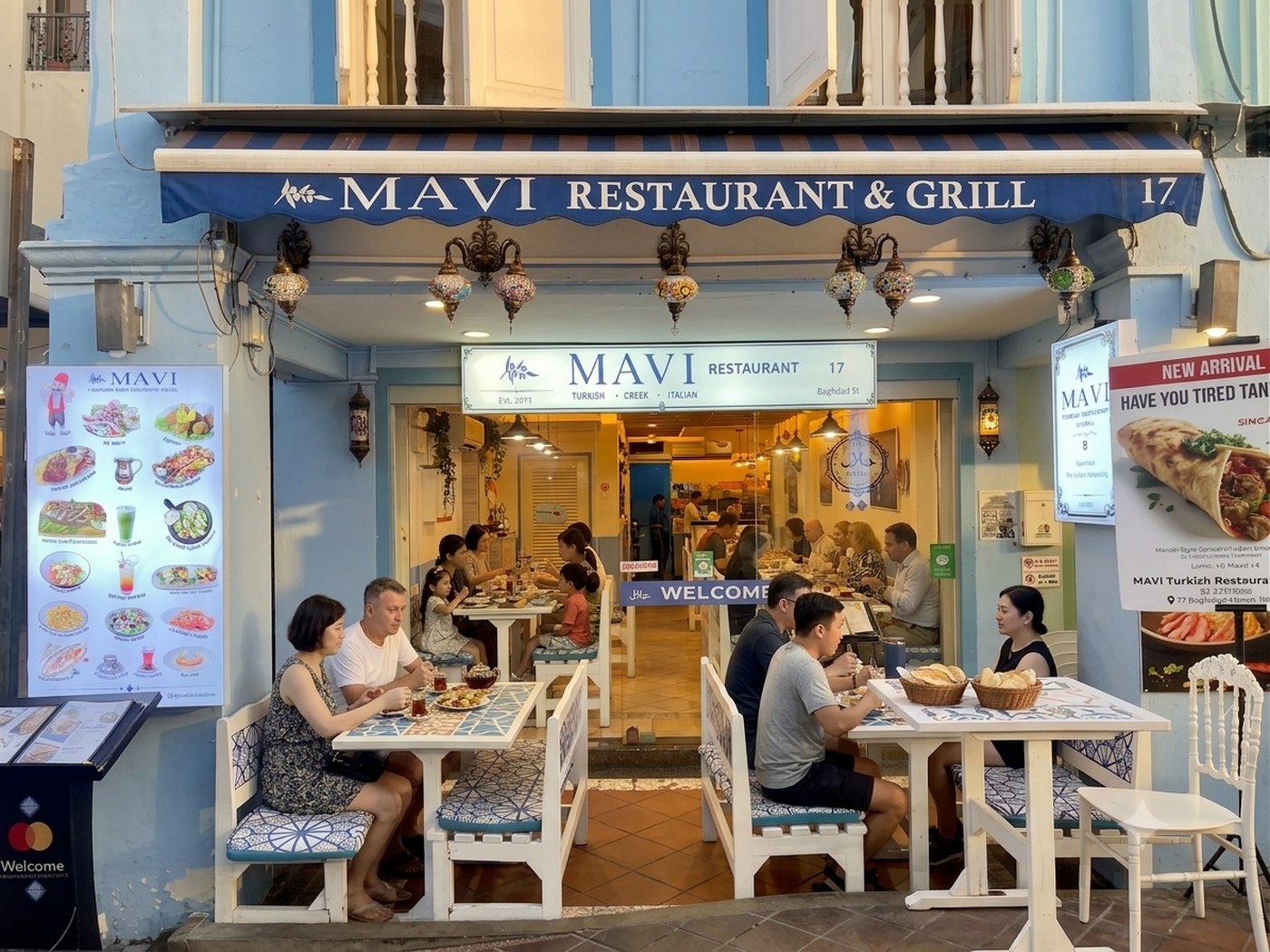
Hawker centres are not a luxury — they’re how Singapore eats. A decent meal at a hawker centre runs S$4–7. Eating out at restaurants regularly will wipe you out. Most Filipinos here cook weekday meals, hit hawker centres for variety, and save the restaurant visits for Sundays or special occasions.
For Filipino food cravings: Lucky Plaza and Peninsula Plaza have carinderias serving kanin plus ulam under S$10. Jollibee has multiple locations. Filipino grocery stores stock everything from Lucky Me to Del Monte ketchup — at a 1.5x to 2x markup, but it’s home in a bottle.
Know your pass rules
This one is serious. Depending on your pass type (Employment Pass, S Pass, Work Permit, Dependant’s Pass), you have different rules about moonlighting, side businesses, and even what hours you can legally work. Violating these can mean cancellation of your pass — which means leaving. Before you accept any side gig, freelance project, or paid podcast sponsorship, read the rules at mom.gov.sg or ask MWO directly. Do not take a risk based on what a friend told you.
The homesickness is real — and it does get better
The first six weeks, you will call home too much, spend too much on milk tea, and feel like an outline of yourself. This is normal. What helps:
Find your Filipino pocket. Church groups, FIS events, Facebook groups, the Sunday Lucky Plaza crowd — they’re there, and they want to meet you.
Say yes to a kababayan the first time they invite you somewhere. That one Sunday lunch usually becomes your community.
Take rest days seriously. Don’t work seven days a week just because you can. You’ll burn out, and the second crash is always worse than the first.
#First Year#Moving to Singapore#OFW#Lifestyle#Housing#Banking#Community
Advertisement
Download these: MyTransport.SG, Grab, and Google Maps (freakishly accurate bus arrival times here).
Banking, PayNow, and why you want both
Within your first month, open a local bank account. DBS, OCBC, and UOB are the three majors; POSB is a DBS sub-brand many Filipinos pick because it’s everywhere. You’ll need: passport, Employment Pass or Work Permit, and a local address (your rental lease is fine).
Then set up PayNow — Singapore’s instant bank-to-bank transfer system. It’s how you’ll split food bills, pay your landlord, pay the tita who sells siopao on Sundays. Tied to your mobile number or NRIC/FIN, it moves money instantly and for free between any two local bank accounts. You will use it multiple times a week.
SIM cards: get prepaid first, decide later
The big three are Singtel, StarHub, M1, plus Circles.Life for digital-first plans. For your first month, grab a prepaid SIM at the airport or any 7-Eleven (S$15–25 with decent data). Once you know your neighbourhood and usage, switch to a postpaid plan if it’s cheaper — or stay prepaid if you mostly live on WiFi.
Remittance: use more than one method
You’ll send money home. What actually works for most Filipinos here: