Philippines and Singapore Sign Health Cooperation MOU. What It Means for Filipino Healthcare Workers
On 18 May 2026, the Philippines and Singapore signed a Memorandum of Understanding on Health Cooperation in Geneva, on the sidelines of the 79th World Health Assembly. Headline benefit: Filipino healthcare workers in SG will get a new path to master's degrees at SG universities.
The Philippines and Singapore signed a Health Cooperation MOU on 18 May 2026 in Geneva, on the sidelines of the 79th World Health Assembly (WHA79). Its centrepiece gives Filipino healthcare workers a master's-degree pathway at Singapore universities.
The signing falls in the 57th year of Philippine-Singapore diplomatic relations (#PHSG57), and healthcare workforce cooperation now anchors those people-to-people ties.
Filipinos hold an estimated 20 to 30 percent of all public-hospital nursing posts in Singapore, plus thousands of allied health, caregiver and FDW roles. This MOU shapes how Pinoy talent moves through Singapore's health system over the next decade.
What was signed
Per the Philippine Embassy in Singapore and the Department of Health (Philippines), the MOU builds on the 2024 MOU on the Recruitment of Filipino Healthcare Workers between the Philippine Department of Migrant Workers (DMW) and the Singapore Ministry of Health (MOH).
The 2026 MOU covers nine areas:
Primary care
Health promotion
Healthcare human resource development
Health infrastructure planning and policy
Health regulation
Health security
Population health
Digital health
Health financing
Both sides also agreed to coordinate on emerging diseases, a nod to the MV Hondius hantavirus cluster and COVID-era lessons.
The headline: a master's-degree pathway
The MOU lets Filipino healthcare professionals pursue master's degrees at Singapore universities. The framework will:
Raise their clinical and managerial skills
Train them in digital health, health financing and health-system management
Send them home to use Department of Health platforms and train the next generation of Philippine healthcare workers
Today
Tomorrow
Filipino nurses, doctors and allied health staff working in Singapore's hospitals
Singapore-trained Filipino health leaders coming home to upgrade the PH system
The scheme goes past recruitment into capacity-building.
Quotes from the signing
Philippine DOH Secretary Ted Herbosa praised Singapore's MOH for its health-promotion work and its responses to threats such as hantavirus.
Singapore Health Minister Ong Ye Kung thanked the Philippines for the invaluable contributions of Filipino healthcare workers to Singapore's hospitals.
Both leaders also discussed a regional vape ban push across ASEAN member states.
Advertisement
Why this matters for Filipino healthcare workers in Singapore
If you work here as a Filipino nurse, doctor, allied health professional, caregiver or healthcare-support worker, this MOU shapes your next 3 to 10 years.
1. A formal master's pathway
Funding and credential walls have blocked many Filipino nurses. The framework should open NUS, NTU, SUSS, SIT, Duke-NUS and LKCMedicine master's programmes through scholarships, partial subsidies and employer-sponsored secondments. Scholarship details remain pending.
2. Credential recognition
Expect smoother recognition between PH Professional Regulation Commission (PRC) licences and Singapore Nursing Board (SNB) and Singapore Medical Council (SMC) registration, plus continuing-education credit transfers.
3. Two-way mobility
The "return to PH, train others" loop creates a real OFW-returnee track, now backed by working groups. Your career can cross the SG-PH border twice.
Advertisement
4. Regulatory protections
Bilateral working groups should address qualification disputes, scope-of-practice rules and telemedicine licensing.
5. PR and citizenship implications
A SG master's degree, a stable SG work record and integration evidence make a stronger PR case. See our PR Worth It Ba? guide.
What to do now if you're a Pinoy healthcare worker in SG
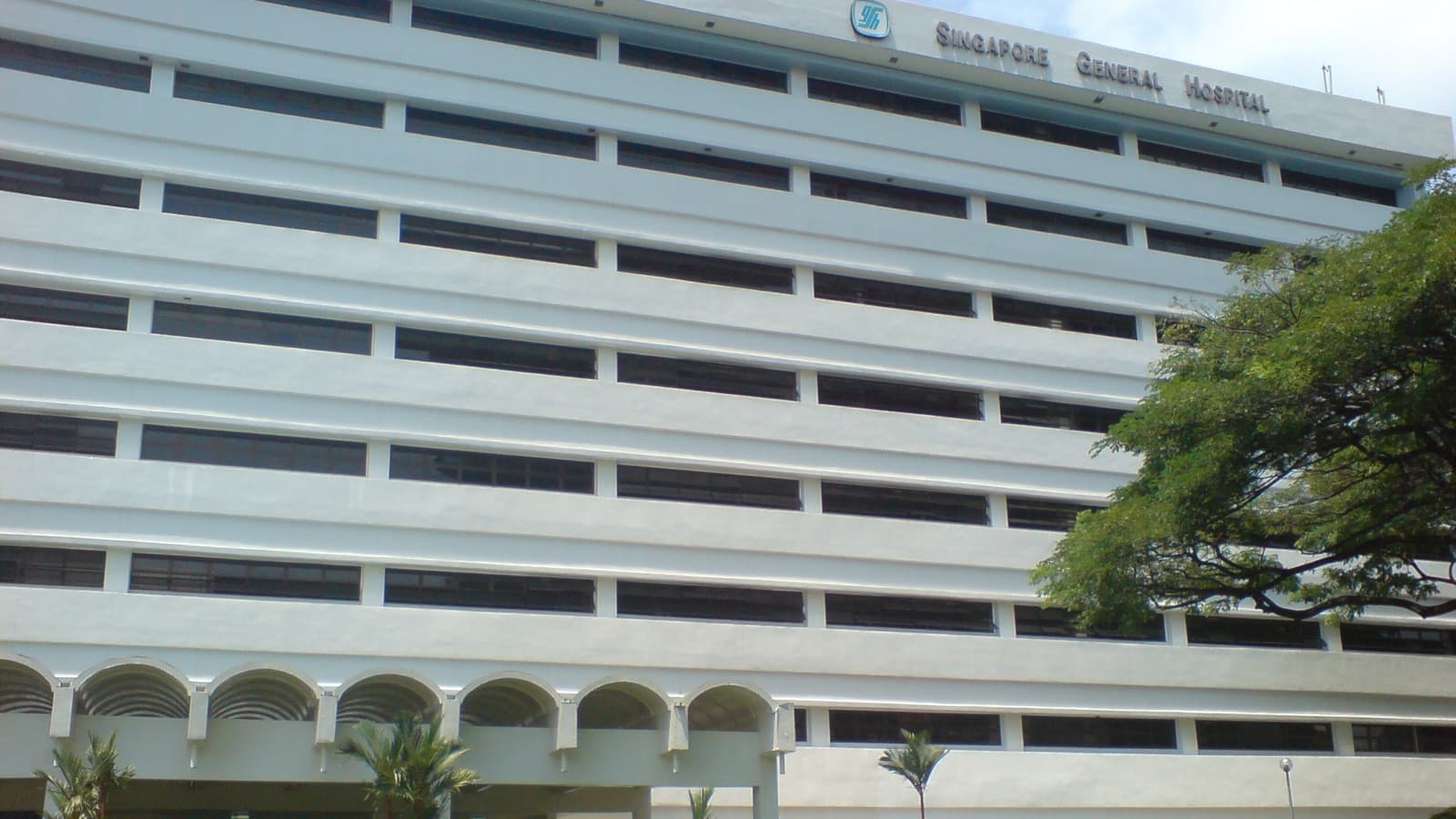
Ask your hospital's HR or continuing-education office. At public hospitals (SGH, TTSH, NUH, KKH, CGH, etc.), ask whether they will sponsor candidates.
Keep your credentials current. Renew PRC and SNB registrations and refresh CPD/CME credits.
Build your application story. A clear "I want to bring this home to the Philippines" statement, community involvement and a return plan strengthen your case.
Network. Join the Philippine Nurses Association of Singapore and similar groups, the first to hear when master's slots open.
Department of Health (Philippines), joint statement on the 18 May 2026 MOU signing
Singapore Ministry of Health, confirming Minister Ong Ye Kung's participation
79th World Health Assembly (WHA79) context
Last reviewed 19 May 2026. Specific programme details, scholarship structures, and master's intake schedules will be released by DOH, DMW, MOH, and partner universities in the coming months. Not legal, immigration, or career advice, for individual programme eligibility and credential-recognition questions, consult the relevant agency directly.