







A Singapore businessman lost S$4.9 million in a deepfake PM Wong Zoom scam, after a fake meeting with AI versions of Prime Minister Lawrence Wong, the President, a Cabinet Minister and senior Monetary Authority of Singapore (MAS) officials.
The Singapore Police Force (SPF) has released portions of the deepfake footage to warn other potential victims. The warning applies to every adult in Singapore, including the Filipino community.
How the scam unfolded
- WhatsApp from a "Cabinet Secretary." Someone claiming to be Wong Hong Kuan, Secretary to the Cabinet, told the victim to attend an urgent meeting with the Prime Minister.
- Email with a forged letter. A fraudulent address sent an official letter of guarantee with a forged signature of PM Wong, asking for urgent funding linked to the Strait of Hormuz, the shipping chokepoint disrupted by the Iran War.
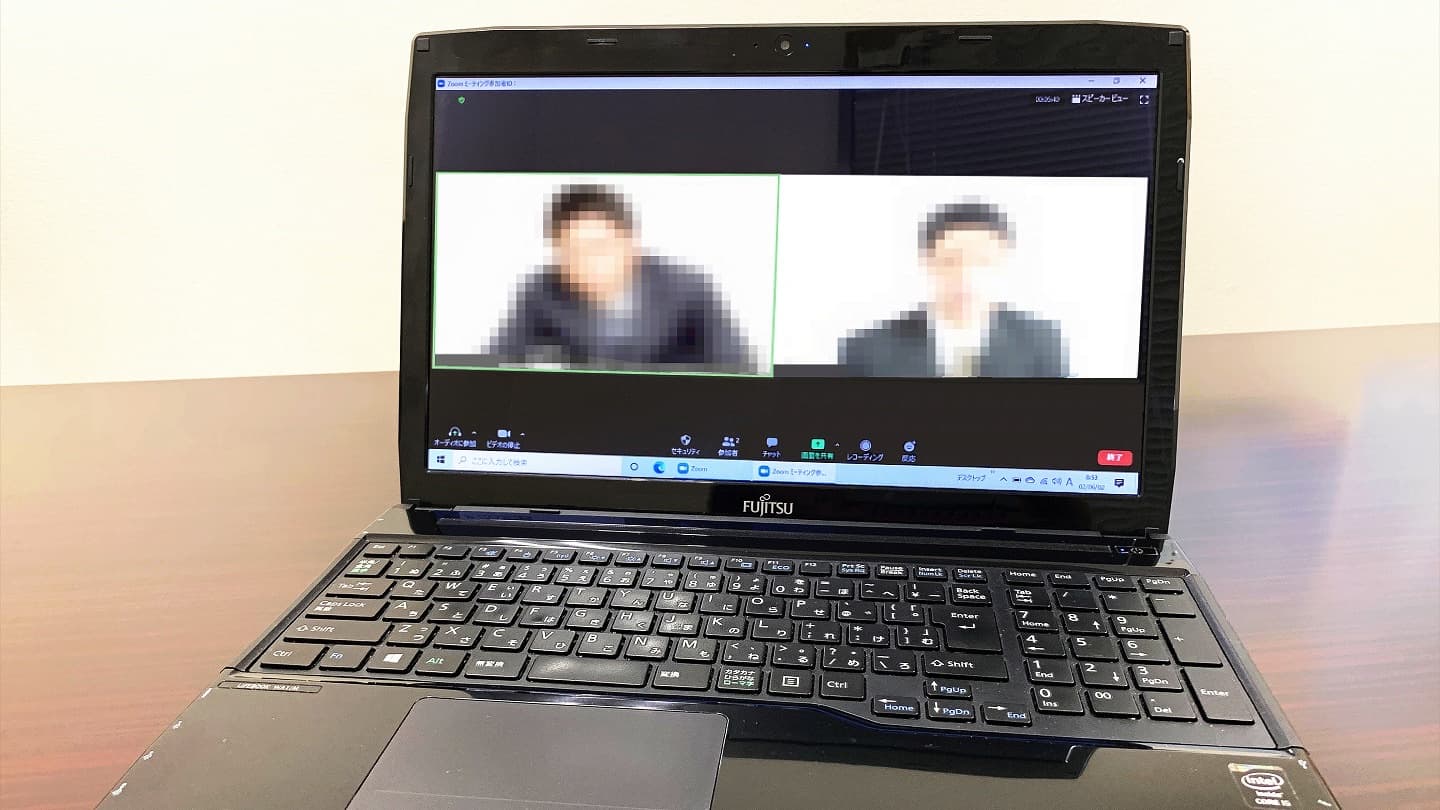
- The deepfake Zoom call. On screen he saw PM Lawrence Wong, President Tharman Shanmugaratnam, Minister Indranee Rajah and senior MAS representatives. Every face, voice and gesture was AI-generated.
- The transfer. Believing he held a confidential national-priority task, he sent S$4.9 million across multiple instalments to a corporate bank account the scammers provided.
- Too late. He contacted the real Wong Hong Kuan through verified channels when something felt off. By then, the funds had moved.
Why this matters for Filipinos in Singapore
The victim was a high-net-worth target. The same playbook, WhatsApp introduction + official-looking email + deepfake video, scales down to ordinary kababayans:
- A "DMW official" flags an OFW deployment irregularity, then a deepfake "DMW director" on Zoom asks for processing fees.
- A "Philippine Embassy" deepfake video tells you to transfer funds for "consular emergency assistance."
- A "BPI / BDO / Wise" deepfake employee asks for "fraud verification" deposits.
- A "MOM officer" deepfake threatens to cancel your EP unless you move money to a "safe account."
Technology that took S$4.9 million from a businessman can take S$5,000 from any of us.
How to protect yourself
- Treat every video call as unverified. Say "Let me verify this through your published number. I'll call you back." Hang up, find the agency's official number on its website and call back.
- No real agency asks for funds via WhatsApp or Zoom. That covers Singapore Police, ICA, MOM, MAS and IRAS, plus the Philippine Embassy, DMW, OWWA and PhilHealth. An "official" asking for a transfer means it is a scam.
- Slow down when urgency meets secrecy. "You cannot tell anyone, this is national security." "We must transfer the funds within the hour." "Your account will be frozen if you don't act now." These are the classic high-value scam signature.
- Verify unexpected Zoom invitations first. Even from someone you know, call a number you already have saved before joining. Once on a deepfake call, your eyes will believe what they see.
- Set a family rule. Older relatives and busy executives face the highest risk. Agree that no large transfer happens without a 24-hour pause and a verification call.