Your Singapore Dollar Is Buying More Pesos Than It Has All Year. What That Means for Your Padala
One SGD now buys around 48 pesos, near the strongest level of 2026. A practical look at what the rate means for OFWs and how to keep more of every padala.
By Audrey Giron··3 min read·Updated 3 October 2026
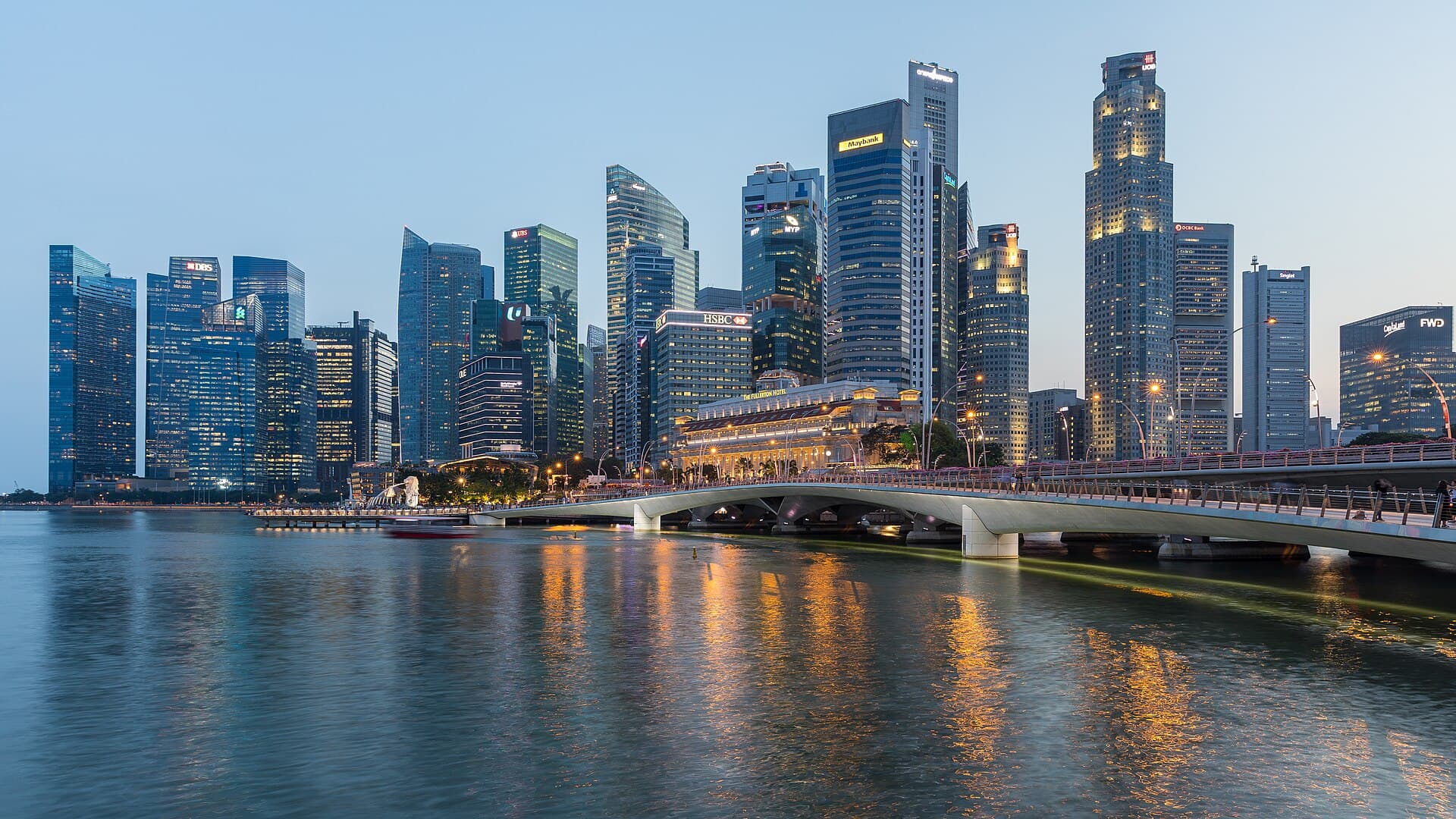
Photo: Diego Delso / Wikimedia Commons, CC BY-SA 4.0
The SGD to PHP rate in May 2026 looks better than it has since January: one Singapore dollar buys around 48 pesos. For Filipinos in Singapore, that means every padala stretches further, so check the rate and compare providers before your next transfer.
The peso has slipped close to 5 percent against the SGD since the start of 2026.
The same S$500 padala that reached your mother as about 23,000 pesos in January now lands closer to 24,200. That gap is a week of groceries.
Your family back home feels the weak peso as higher prices on every market run. You, sending from here, see each SGD go further.
Why the SGD is strong right now
Two currencies are moving in opposite directions.
The Monetary Authority of Singapore guides the Singapore dollar within a managed band, and that policy has kept it steady through 2026. The peso has drifted lower against most major currencies this year.
A weaker peso is no sign of crisis on its own. Currencies across the region have moved against the US dollar this year, and the peso is one of them.
As of mid-May 2026, the SGD sits near its 2026 high against the peso. Rates move every day, and nobody can promise the level will hold, so act while the rate is in your favour.
Where your padala loses the most money
Most kababayans pick a remittance service by the headline fee. A S$3 fee feels cheaper than a S$5 one, but the bigger cost sits in the exchange rate.
Every provider sets its own rate. The gap between that rate and the mid-market rate is where your money goes.
Banks tend to add 2 to 4 percent on top of the mid-market rate. A fintech app might add a fraction of that.
On a S$1,000 transfer, a 3 percent spread is S$30 gone, far more than any S$3 fee.
Advertisement
Before you send this week:
Look up the mid-market SGD to PHP rate on your phone.
Compare it with the rate your provider offers.
Run the same S$500 through two or three services: a bank, a fintech app such as Wise or Instarem, and the remittance counter you use at Lucky Plaza or your neighbourhood mall.
The winner is not always the one with the lowest fee.
Some apps let you set a rate alert. Name a target SGD to PHP rate, and the app pings you when the market reaches it, so a non-urgent padala goes out on a strong day.
What to do with the extra room in your budget
Two reactions are common when the SGD is strong. You send the usual amount and let the family enjoy the extra pesos, or you send a larger padala because it feels affordable.
A third option: if your family's monthly needs are covered, move the extra into something that lasts.
Advertisement
That could mean a few months ahead on a Pag-IBIG MP2 account, a top-up to your SSS contributions, or an emergency fund in a Philippine bank.
The same SGD, sent with a plan, does more than the same SGD sent on habit. No currency speculation needed.
Your move this week
Check today's SGD to PHP rate before your next transfer.
Compare at least two providers on the exchange rate they give you, along with the fee.
If the family budget is covered, talk with them about putting part of this month's good rate into savings. The peso will move again, and the kababayans who come out ahead are the ones who use the good weeks.
Mag-ingat sa padala, mga ka-FIS. Pag maganda ang palitan, doon tayo gumagalaw nang may plano.
Frequently asked questions
What is the SGD to PHP exchange rate in 2026?+
As of mid-May 2026, one Singapore dollar buys around 48 pesos, near its 2026 high. The peso has slipped close to 5 percent against the SGD since the start of the year. Rates move every day, so check the mid-market rate before each transfer.
Why is the Singapore dollar strong against the peso right now?+
The Monetary Authority of Singapore guides the SGD within a managed band, which has kept it steady through 2026. The peso has drifted lower against most major currencies this year, along with other regional currencies against the US dollar. A weaker peso on its own is not a sign of crisis.
How much more do my pesos go when the rate is 48?+
A S$500 padala that reached your family as about 23,000 pesos in January 2026 now lands closer to 24,200 pesos. That gap of about 1,200 pesos covers a week of groceries.
Where do I lose the most money when sending money to the Philippines?+
In the exchange rate, not the fee. Banks tend to add 2 to 4 percent on top of the mid-market rate, while a fintech app might add a fraction of that. On a S$1,000 transfer, a 3 percent spread costs S$30, far more than a S$3 or S$5 transfer fee.
How do I get the best SGD to PHP rate for remittance?+
Look up the mid-market rate on your phone, then compare it with the rate each provider offers. Run the same S$500 through a bank, a fintech app such as Wise or Instarem, and a remittance counter at Lucky Plaza or your neighbourhood mall. Some apps also let you set a rate alert so you send on a strong day.
What should I do with extra pesos from a good exchange rate?+
If your family's monthly needs are covered, put the extra toward something that lasts: a few months ahead on a Pag-IBIG MP2 account, a top-up to SSS contributions, or an emergency fund in a Philippine bank. The same SGD sent with a plan does more than the same SGD sent on habit.