Pagtitipid in Singapore is a different game. You’re not cutting loose change at Puregold, you’re dealing with mall prices, SGD-denominated everything, and the constant temptation of delivery at 11 PM. These pagtitipid tips come from what actually works for kababayans here, not a motivational post on Facebook.
If you only do one thing, do this. A 12-dollar single delivery doesn’t feel like much. A month of it does. Try this: open your foodpanda or Grab Food order history and add up last month. That number is usually the eye-opener.
Replace with hawker dabao or a simple home-cooked rotation. Two or three Filipino dishes you can make on Sundays covers five lunches easily.
2. Hawker hopping, not mall dining
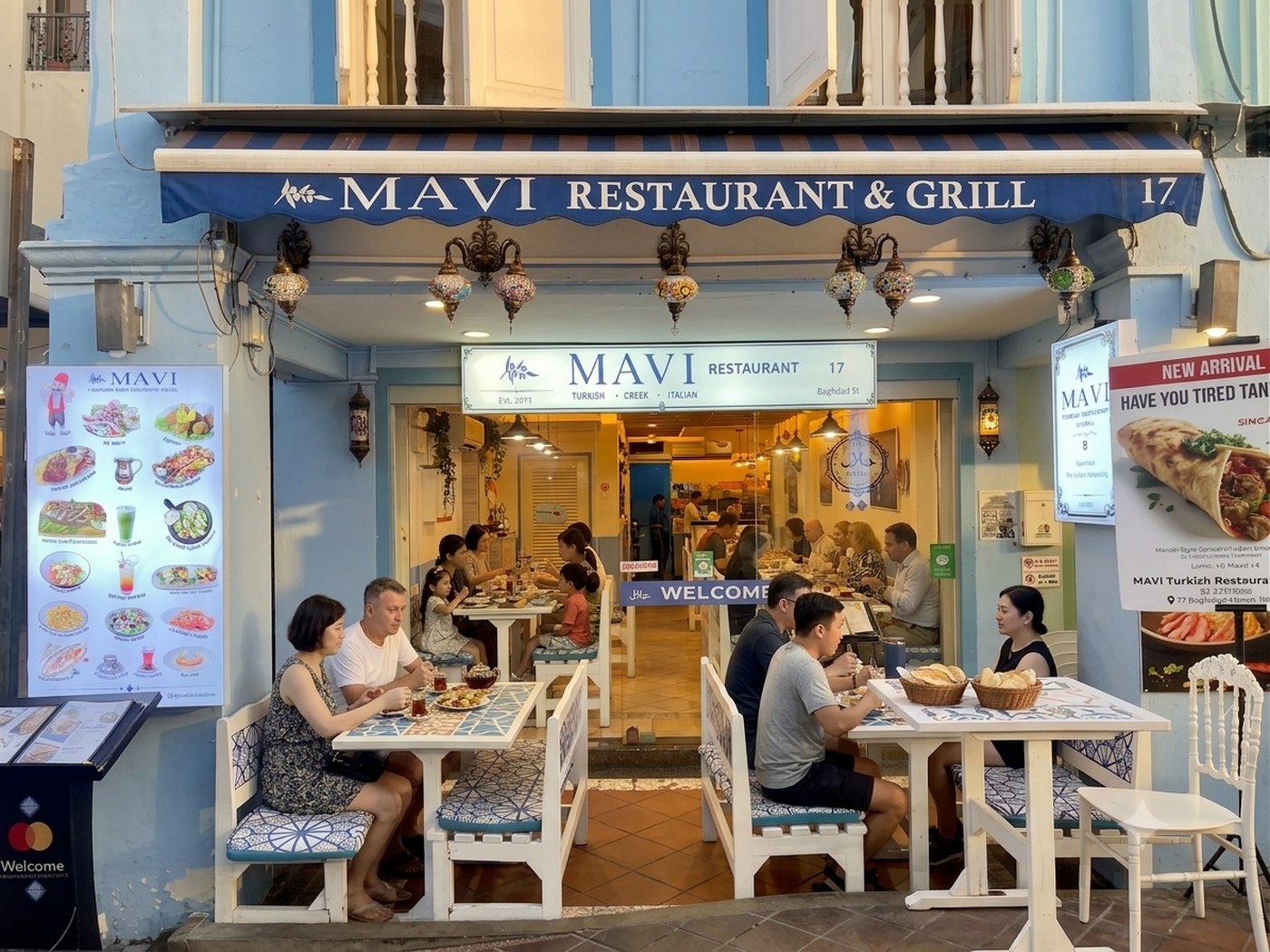
Ten to fifteen dollars at a hawker centre = one full, satisfying meal. Same money at a mall barely gets you a sandwich and a drink. Singapore hawker culture is the single best thing for a tight budget, use it.
Explore beyond the famous ones too, smaller neighbourhood hawker centres (Ghim Moh, Bedok 85, Old Airport Road, Chomp Chomp) are often cheaper and less touristy. The National Environment Agency has a hawker directory on nea.gov.sg.
3. Ibaba ang phone bill
Most kababayans in Singapore still use postpaid bundles with a "free" phone. Often, a SIM-only plan plus buying the phone outright (even on instalment) is cheaper over two years. Audit your phone plan every contract cycle.
4. Subscription audit quarterly
Netflix, Disney+, iWantTFC, Viu, Spotify, Kumu, a gym you haven’t gone to since February. Open your bank app, list every monthly auto-charge, and ask: am I actually using this? Cancel one today, that’s immediate pagtitipid.
Advertisement
A shared room with someone you genuinely get along with can cut rent by 30–50%. It’s not for everyone, but for the first year or two, it’s one of the fastest ways to build savings.
Aircon is not free. In some rooms, landlords cap it. In others, you pay for your own usage. Fan-first, aircon only when truly needed, and set it to 25°C instead of 22°C, that alone cuts cost without cutting comfort. Closing curtains in daytime also helps.
Saw a gadget, a bag, a gaming console you "really need"? Put it on a 7-day wait rule. If you still need it after 7 days, buy it. Most of the time, you’ll forget.
14. Send remittance smartly
Remittance is a big monthly line item. Fees and exchange rate markups can quietly eat hundreds of dollars a year. Compare providers honestly using the PHP amount received, not the sticker fee. Details in how to send money to the Philippines with lower fees.
And never remit through unlicensed individuals, check the MAS licensed list on mas.gov.sg first.
15. "Libre ko na 'to" is not pagtitipid
This is the quiet one. Treating friends every week isn’t generosity, it’s drift. Group meals at hawker centres, lutong bahay potluck, or contributing to a shared pot works better and keeps everyone comfortable.
16. Emergency fund first, lifestyle later
A lot of OFWs in Singapore remit everything and save nothing for themselves. If something happens, illness, family emergency, sudden job change, you’re the one left short. Even 50–100 dollars a week into savings becomes thousands in a year.
17. "Rest day, not reset day"
Rest day often turns into overspend day because we’re tired and impulsive. Plan a low-cost rest day template: a walk, a hawker lunch, a library or café, one small treat. You come home rested, not broke.
18. Review once a month
On the first of each month, look at last month: what was the biggest surprise expense? Adjust one habit. That’s how pagtitipid becomes a system, not a phase.
Cut waste, not joy
Real pagtitipid in Singapore isn’t about cutting joy, it’s about cutting waste. You’re here to build something. Every small leak you patch goes toward savings, home, or peace of mind. Start with one or two tips this week, not all 18.
Last reviewed April 2026. Prices, fares, subscription costs, and promo offers change, always verify on official or provider sites before committing to a bigger change.
#Pagtitipid#Budget#Lifestyle#Filipinos in Singapore#OFW
Advertisement
5. Grab is a luxury, not a habit
Singapore’s MRT is reliable, air-conditioned, and covers most places you need to go. EZ-Link or SimplyGo tap-in is always cheaper than Grab. Save Grab for: late shifts, bad weather, heavy groceries, not-feeling-well days. For fares and route tools, see lta.gov.sg.
6. Shopping lists lang sa FairPrice
Supermarket without a list = impulse buys. With a list = 30% cheaper on average for most Filipino households. Stick to your list, then reward yourself with *one* fun item at the end.
7. Bulk-buy from Geylang Serai or Tekka
Fresh produce and spices are cheaper at wet markets than supermarkets. If you live nearby or plan a weekly trip, you’ll save noticeably. Bagoong, dried fish, Filipino ingredients, also often cheaper here than at Lucky Plaza Filipino shops.
8. Cook rice, always
A rice cooker is the single most valuable kitchen item for a Filipino abroad. Hawker meals without rice at home = you spend more on carbs than you need to. One kilo of rice cooked at home beats three hawker rice portions in cost.
9. Haul from PH when you visit
Mangoes, dried mangoes, tocino, longganisa, Filipino chocolate, personal care you prefer, all noticeably cheaper back home. When you go home, bring a luggage allowance you can actually fill with sensible bring-backs. We have a dedicated article on airline baggage limits: baggage rules by airline.