The Department of Foreign Affairs has confirmed that 15 Filipinos returned home from Israel, the latest batch in the government's standing arrangements for bringing workers out of high-risk areas.
For Filipinos in Singapore with relatives in the Middle East, repatriation news is less a headline than a status check.
What the DFA said
The DFA reported the safe return of 15 Filipinos from Israel. The agency runs repatriation through its embassies and the OWWA network, prioritising workers in the most exposed locations.
Why Singapore-based families watch this
Advertisement
Plenty of households here are spread across more than one labour market. A sibling in Riyadh, a cousin in Tel Aviv, a parent in Dubai. When one corridor heats up, the family group chat does too. Knowing how repatriation works takes some of the guesswork out of it.
If your family is in an affected area
Register them with the nearest Philippine embassy. Repatriation and assistance start from the embassy's list.
Follow the DFA and OWWA official pages for advisories, not forwarded screenshots.
Keep documents and contact numbers in one place, reachable from your phone here.
The work of leaving home for work is that the family map gets wide. Repatriation is the government drawing part of it back in. For kababayans in Singapore, the job is staying registered, staying reachable, and knowing the channel before you need it.
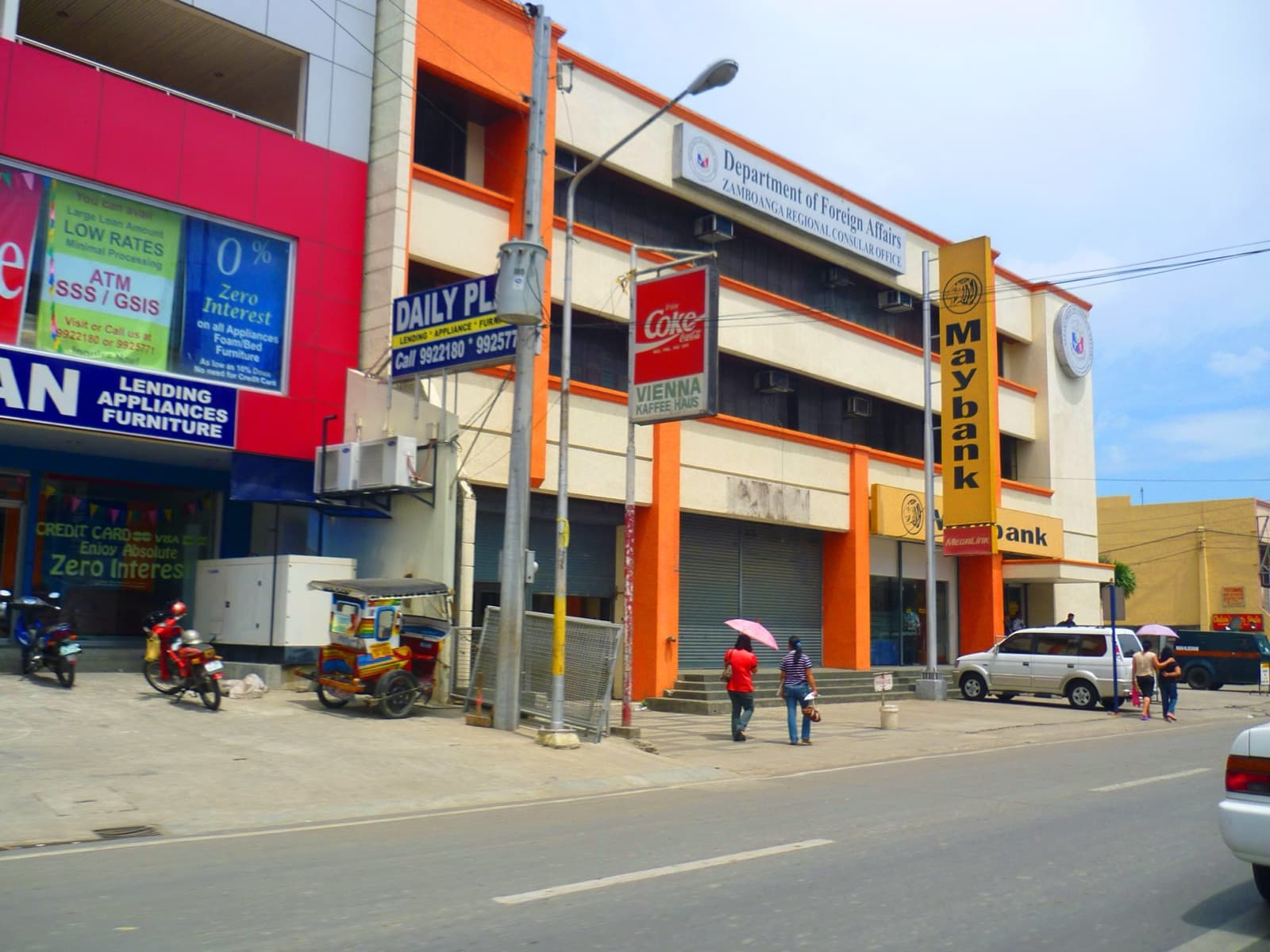
Hero image: "Department of Foreign Affairs - Zamboanga City.jpg" by Wowzamboangacity, CC BY 3.0, via Wikimedia Commons.