Your CPF as a Filipino PR in Singapore: How Much They Take, and How to Get It Back
The day your PR starts, a slice of your sweldo goes to CPF. How much in 2026, what it buys you, and how you claim it all back if you ever go home for good.
You waited years for that blue IC. You lined up at ICA, you got the letter, you told your mama on video call and she cried a little. Then your first payslip as a PR landed, and the take-home number was smaller than the month before. Same job, same boss, less money in the bank. For a second your chest tightened. Did something go wrong?
Nothing went wrong, kabayan. That missing slice is CPF, and once you understand it, you stop seeing it as money taken and start seeing it as money parked. It is still yours. Most of it you will spend here in Singapore, on things you would have paid for anyway. And if the day ever comes when you decide to pack up and go home to Cavite or Iloilo or Davao for good, you can take the whole balance with you.
So what is this CPF, and why it starts now
The Central Provident Fund is Singapore's forced savings system. Every working citizen and PR puts a portion of pay into it every month, and the employer adds a portion on top. On a Work Permit, S Pass, or Employment Pass, CPF never touched you. Foreign pass holders do not pay it. The moment your PR started, you joined the club.
CPF splits your money across a few accounts. Your Ordinary Account goes toward housing and a few approved uses. Your MediSave Account waits for hospital bills and health insurance. Your Special Account, later your Retirement Account, sits for old age. The CPF Board holds it, pays interest on it, and keeps the employee share and the employer share both in your name. This is not a tax. A tax leaves your hands for good. CPF stays yours.
The numbers, year by year
Singapore knows the full CPF bite would sting a brand-new PR, so it eases you in over three years. The rates below are for a PR aged 55 and below, earning above 750 dollars a month, and they took effect on 1 January 2026.
In your first year of PR, you contribute 5 percent of your wages and your employer adds 4 percent. That first year runs from the day your PR started. In your second year, your share climbs to 15 percent and your employer puts in 9 percent. From your third year onward, you reach the full rate every Singaporean pays: 20 percent from you, 17 percent from your employer, on wages up to the ceiling of 8,000 dollars a month in 2026.
So on a 4,000 dollar salary in your third year, 800 dollars leaves your payslip into CPF, and your employer adds 680 more. That 1,480 dollars a month is not gone. It landed in three accounts with your name on them. If you both prefer, you and your employer can ask CPF together to pay the full rates from day one instead of easing in, though most kabayan let the graduated years do their gentle work.
What CPF does for you while you are here
This is the part nobody explains at the ICA counter. For most PRs, CPF is the reason the rest of life in Singapore becomes possible.
Advertisement
That Ordinary Account is what lets a PR couple put a down payment on a resale HDB flat one day, instead of renting a room forever. Your MediSave is what pays the hospital when a baby comes or when your appendix decides to quit at 2am, so a medical bill does not wipe out your padala for the year. The retirement portion is the slow, boring miracle: money you could not spend on a whim, compounding at interest higher than any savings account back home, waiting for the version of you who is 60 and tired.
Look at it beside your actual budget. If you have read our sweldo breakdown for Filipinos in Singapore, you already know how tight the math gets. CPF feels like it makes that math tighter today. It is also the one line in your budget that pays you back with interest, and no kumpare can borrow it and forget to pay you back.
And if you decide to go home for good
This is the question that sits unspoken in every OFW heart. Say you give up your PR one day and move home for real. Do you lose everything you paid in?
No. Renounce your PR (or citizenship), leave Singapore and West Malaysia with no plan to work here again, and you can close your CPF account and move the entire balance to your bank. The full sum, your share and every dollar your employers added over the years, plus the interest it earned. The CPF Board sets no retention amount for someone who has left for good. You apply through their website with your Singpass, or from abroad by post, with a Philippine mission official certifying your documents. The Board says the transfer takes around 12 weeks on average, so start it before you need the money, not after.
That is the reassurance to hold onto on the month your payslip first shrinks. The system that takes a fifth of your sweldo also hands it all back the day you pack up and go home. In between, it builds the flat, the hospital cover, and the retirement most of us never manage to save for on our own.
Advertisement
What could change, and where to check
CPF numbers move. The wage ceiling has climbed from 6,800 dollars in 2024 to 7,400 in 2025 to 8,000 in 2026, and the contribution rates for older workers keep rising too. The rules for closing your account also changed in 2024. So treat the figures here as your 2026 starting point, then confirm your own case against the source. The CPF Board publishes every rate table and the account-closure steps at cpf.gov.sg, and your exact contribution shows up in your own CPF statement through Singpass.
So the next time you open that payslip and see the smaller number, breathe. You did not lose anything. You started saving in a way the version of you back home, or the version of you at 65, will thank you for. Go treat yourself to a proper lechon kawali this Sunday. You earned it, and CPF or not, some things are worth every peso.
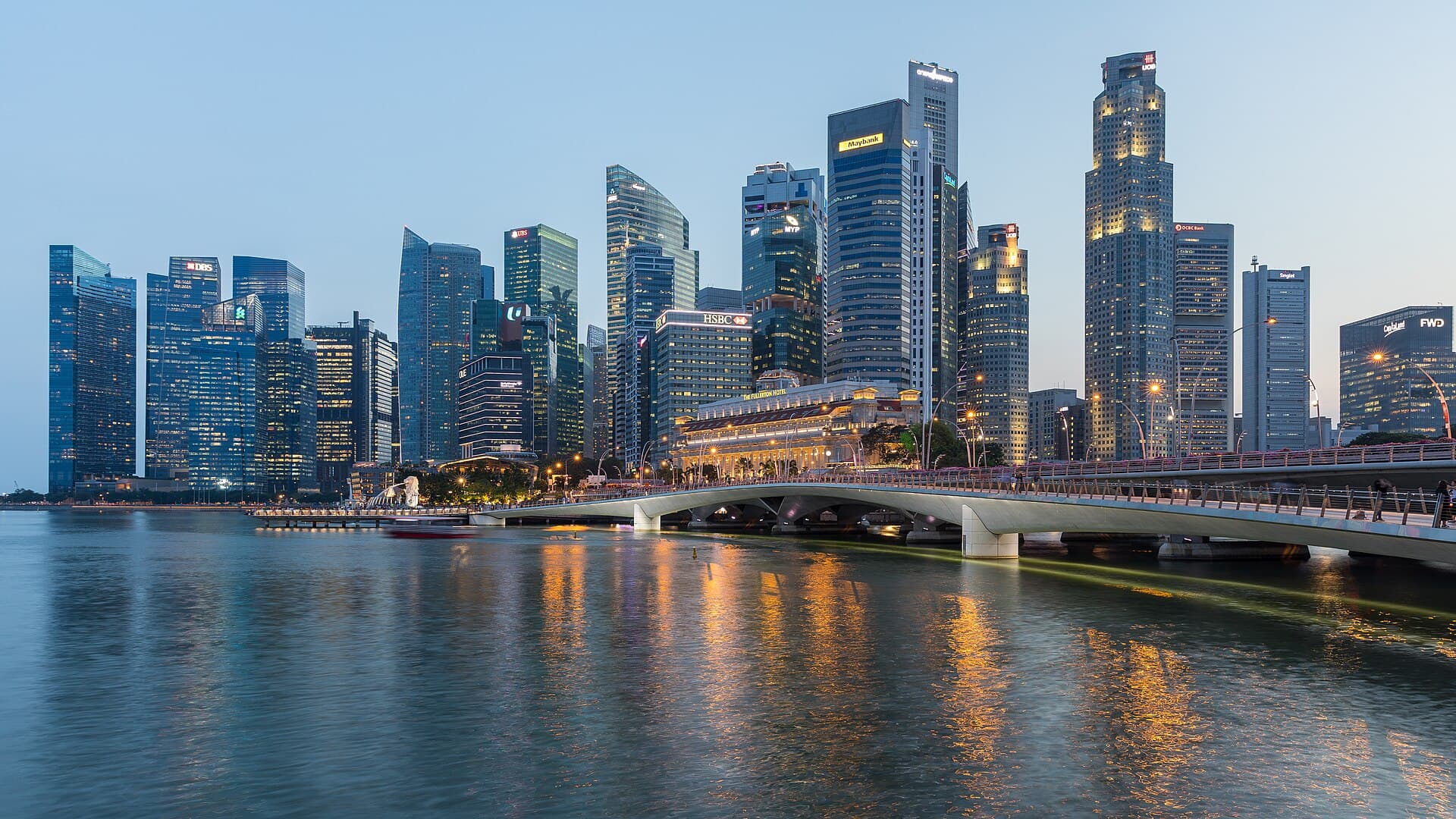
Photo: See Hoy Kim / Wikimedia Commons, CC BY-SA 3.0.