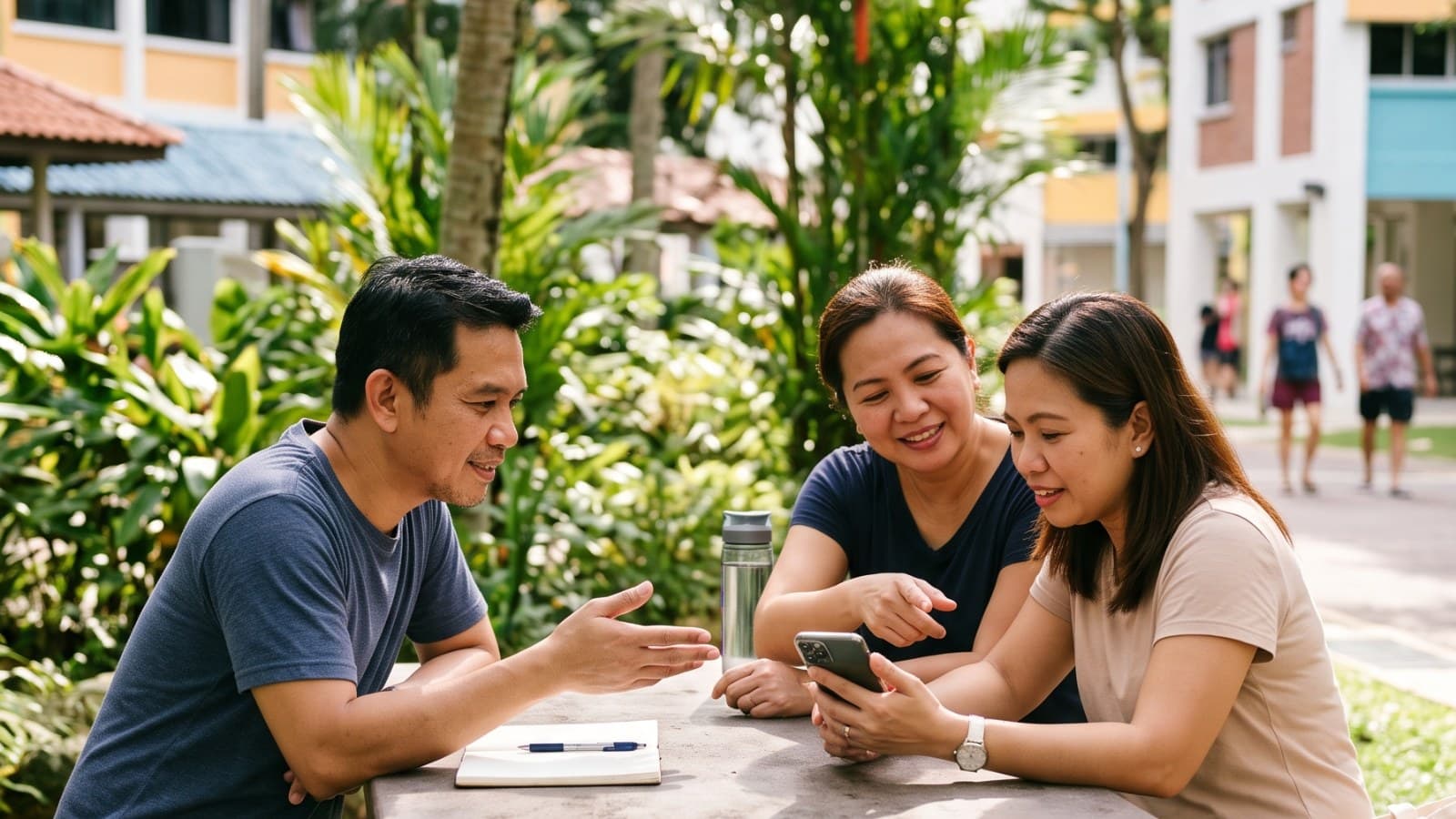
Members of the Filipinos in Singapore community are reporting calls and messages from Philippine collection agencies about unpaid credit card debt. The calls often come while they are at work here, and some say the collectors are aggressive or threatening.
If this is happening to you, you have rights under Philippine law. The rules apply even if you are already based in Singapore, because the debt and the lender are Philippine-side.
What collectors can do
Under the Financial Products and Services Consumer Protection Act (Republic Act 11765) and BSP Circular No. 1160, banks and their collection agents are prohibited from using abusive collection practices. The bank is also responsible for what its third-party collectors do. In practice, collectors are expected to identify themselves and the bank or agency they represent. They should contact you only through reasonable means and at reasonable hours, and give you accurate information about your debt.
They are not allowed to harass, threaten, or shame you. They also cannot contact your employer, family, or friends to pressure you, except in limited cases allowed by the rules, or use abusive language or false legal threats.
If a caller does any of these, that is a red flag. Note the date, time, number, and what was said.
How to handle a call
Do not panic and do not pay on the spot. Verify the agency by asking for the company name, the bank they represent, and a reference number, then call the bank directly using the number on its official website.
Ask for a written statement of account. This should show the principal, interest, fees, and total amount owed.
Never pay to a personal account. Payments should go to the bank or the agency's official corporate account, with a receipt.
Advertisement
Watch for scams. Fake collectors use the same script to pressure people into sending money. If the details do not match your bank records, stop and verify.
You can ask for a restructuring or a payment plan. Keep everything in writing where possible, and save screenshots, emails, and call logs.
How to file a complaint
Start with the bank. Every BSP-supervised bank must have a Financial Consumer Protection Assistance Mechanism, its official complaints desk. File your complaint there first, in writing, and keep the reference number. This step is required before the BSP will take your case.
If the bank does not resolve it, escalate to the BSP Consumer Assistance Mechanism. You can email consumeraffairs@bsp.gov.ph or call (02) 8708-7087. Attach your call logs, screenshots and the bank's reply.
For threats of violence or extortion, you can also report to the police. If you are in Singapore and feel unsafe, call the Singapore Police Force at 999.
Advertisement
What this means for you
Debt follows you across borders, but so do your rights. A collector cannot threaten you into paying more than you owe, and you are allowed to ask for proof before sending any money.
If you are struggling with payments, talk to your bank early.
For official guidance, check the BSP website and the Philippine Embassy in Singapore for consular help. Do not rely on advice from group chats alone.
Takeaway: Verify the caller, ask for a written statement, never pay to a personal account, and keep records of every call.