Every February, Singapore's Budget lands and your feed fills with screenshots of payout amounts. Every September, your Singaporean colleagues compare what hit their bank accounts. Most kababayans here scroll past all of it, assuming none of it applies.
Some of it does. Which parts depend on one thing: your immigration status.
The cash payouts go to citizens
The headline items from Budget 2026, including the Cost-of-Living Special Payment landing in September, the GST Voucher cash, and CDC vouchers, carry the same condition. You need to be a Singapore Citizen, aged 21 or older this year, living in Singapore, and owning no more than one property.
Work Permit, S Pass, Employment Pass, Dependant's Pass, LTVP: none of these qualify. Permanent Residents do not receive the cash either.
If you took citizenship, and a growing number of Filipinos here have, check your amount at gstvoucher.gov.sg or SupportGoWhere instead of trusting a forwarded screenshot. The figure moves with your assessable income and your property count.
CDC vouchers follow the same citizen rule and get claimed per household. They expire. Anyone who let a past tranche lapse knows the sting.
PR households can still see money, through the flat
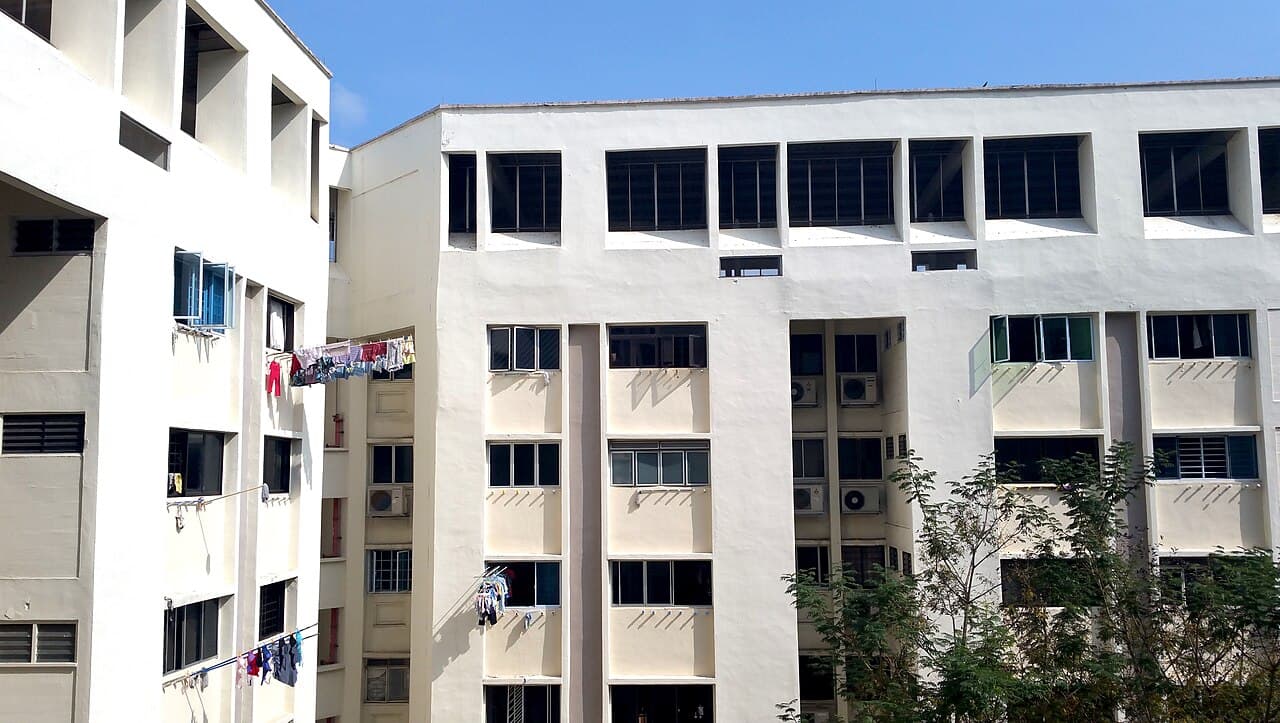
U-Save rebates run on a different rule. They credit against the utilities account of an HDB household, and a household with at least one Singapore Citizen member can qualify even when other members are PRs.
So if you are a PR married to a Singaporean and you live in an HDB flat, your SP bill drops. Eligible households receive up to S$570 across 2026, credited in April and July. That second tranche has already landed. Check your July SP statement rather than waiting for an announcement.
If you rent a room in someone else's HDB flat, the rebate goes to the flat's utilities account, not to you. Whether your landlord passes any of it on is a conversation, not a rule.
CPF changes reach further than the payouts
Advertisement
CPF covers citizens and PRs, so PR readers should watch this line. From 1 January 2027, contribution rates for workers aged above 55 to 60 rise by 1.5 percentage points. Split between employer and employee, that trims take-home pay a little and adds to your CPF balance.
The one-off Retirement Account top-up announced for December 2026 goes to citizens aged 50 and above.
Work Permit and Pass holders pay no CPF at all, which is why none of this touches your payslip.
What to do this month
Sort yourself into one of three buckets and act once.
Hold a Work Permit, S Pass, EP, DP or LTVP? No payout is coming. Your money levers sit elsewhere. The July Local Qualifying Salary change, your remittance timing, and your SSS and Pag-IBIG contributions move more of your budget than any Budget line does.
Advertisement
A PR? Check whether your household includes a citizen and whether the flat's utilities account received a July U-Save credit. Then put the January 2027 CPF rate change in your calendar so it does not surprise you.
A citizen? Log in to gstvoucher.gov.sg with Singpass, confirm your registered bank account and PayNow-NRIC linkage, and fix anything wrong before September. Payouts to unlinked accounts arrive by GovCash later, and that queue is real.
Why this trips up Filipino households
Filipino families in Singapore rarely sit in one status. One spouse on an EP, one PR, a child born here, a parent on a Long-Term Visit Pass. The household splits across three eligibility rules at once, and the family group chat ends up trading half-right information.
Check each person's status against each scheme instead of assuming the household moves together. Ten minutes on SupportGoWhere settles it.
Start with the July SP bill on your kitchen counter. If your household should have received a U-Save credit and did not, that gap is worth a call this week.