Living in Johor Bahru while working in Singapore needs a Malaysian residence pass, not a tourist stamp.
A one-bedroom in JB rents for about RM1,100 to RM3,500 a month, against S$2,200 to S$3,500 or more in Singapore. The RTS Link will cut the crossing to five minutes, but Malaysian immigration rules stay the same.
For most Filipino EP holders, the legal route costs more than the rent saves.
Visiting is not living
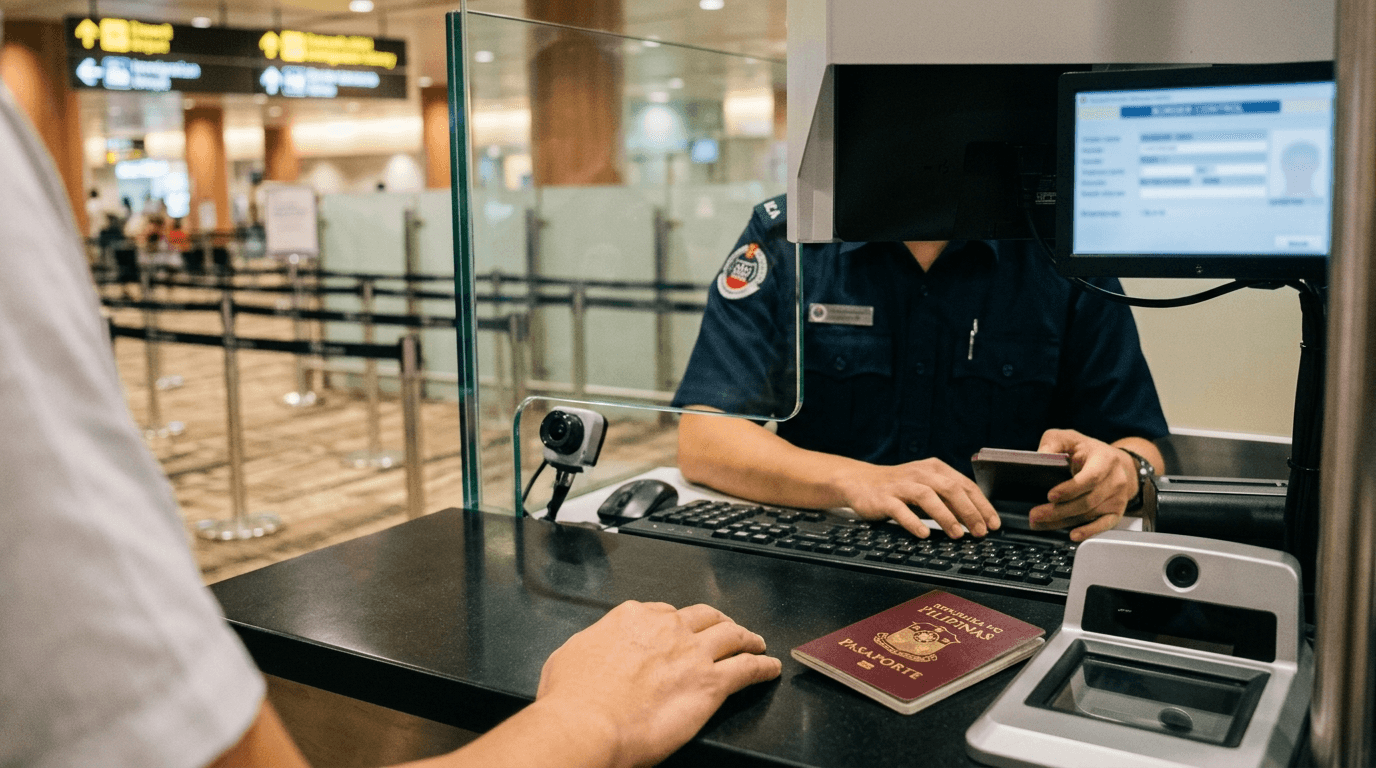
A Philippine passport gets you into Malaysia visa-free for 30 days. Fill in the Malaysia Digital Arrival Card before each trip and carry a passport valid for six months.
That stamp covers a visit with no right to reside or work. Malaysian immigration tracks entries, and officers can refuse back-to-back "visa runs" at the counter.
Routes for Filipino citizens
Malaysia My Second Home (MM2H) is the main option. Applicants must be at least 25, or 21 for the SEZ tier, and those under 50 must stay in Malaysia 90 days a year.
Tier
Fixed deposit
Property
SEZ/SFZ (Forest City, Johor)
USD 65,000 under 50; USD 32,000 at 50 and above
At least RM500,000, from a Forest City developer
Silver
USD 150,000
RM600,000
Gold
USD 500,000
RM1,000,000
Platinum
USD 1,000,000
RM2,000,000
The SEZ pass runs 10 years, renewable, and you cannot resell the property for 10 years.
Other routes:
A Long-Term Social Visit Pass, through marriage to a Malaysian citizen
A Malaysian employment pass, if you take a job in Malaysia
A student pass, for a Malaysian school or university
Malaysian citizenship, for the few kababayans who hold it through heritage
EP and S Pass holders
Your Singapore pass gives you no status in Malaysia. You still need one of the Malaysian passes above to live in JB.
The usual setup pairs a Singapore work pass with MM2H or a spouse pass. Ask your HR too, since some employers set rules on where staff live.
Singapore PRs
Advertisement
PR does not help on the Malaysian side. On the Singapore side, keep a valid Re-Entry Permit (REP).
If you leave or stay overseas without a valid REP, you lose PR. You must apply, and get approval, within 180 days of leaving or of your REP's expiry.
REP renewal weighs your ties: your job, CPF contributions and time in Singapore.
The RTS Link
The 4km line runs from Bukit Chagar in JB to Woodlands North. Passenger service is targeted for December 2026; some reports flag early 2027.
Fares are not set. Reports expect about S$5 to S$7 one way. The line carries up to 10,000 passengers an hour in each direction, with immigration cleared once at the departure station.
Until it opens, the Causeway and Second Link can cost two hours each way at peak. Motorbike lanes move faster than cars.
Advertisement
Costs
Rent: RM1,100 to RM2,300 for a one-bedroom flat; RM2,000 to RM3,500 for a condo
Utilities: about RM170 to RM300 a month
Transport: a car with petrol and tolls, or two RTS fares a day
An MM2H deposit and property, if that is your route
A single earner on a Singapore salary can come out ahead. A family with children in Singapore schools often loses the savings to the daily border run.
Your Singapore salary stays taxable in Singapore. Get advice from a tax professional before you buy Malaysian property or move other income.
Before you sign a lease
Confirm which Malaysian pass you qualify for, with the Immigration Department or an accredited MM2H agent.
Diarise your EP renewal or REP expiry.
Do a full week of the real commute at rush hour.
Wait until the RTS Link settles in before you rely on it.