Payday hits and the family group chat lights up. Someone needs tuition money, someone is sick, and the ber-months mean Christmas is already loading. You want to send as much home as you can. The trap is thinking the counter fee is the whole cost. It is not. The exchange rate is where your padala quietly shrinks, and in the ber-months, when every kababayan is sending at once, the gap gets wider.
Here is how to send more pesos home without earning a single dollar more.
The fee is small. The rate is where the money goes.
Two remittance shops can both charge a S$5 fee and still send very different amounts of pesos. The difference is the exchange rate each one gives you.
Say the real market rate is around 44 pesos to the dollar. One shop quotes you 43.8 and another quotes 43.2. On a S$500 padala, that half-peso gap costs you about 300 pesos, more than the fee itself. The shop with the "no fee" sign often bakes its margin into a worse rate, so the free transfer is not free.
Before you send, do one thing: check the total pesos your recipient will receive, not the fee on the poster. That single number tells you which channel wins today.
Lucky Plaza and the counters: cash in, cash out
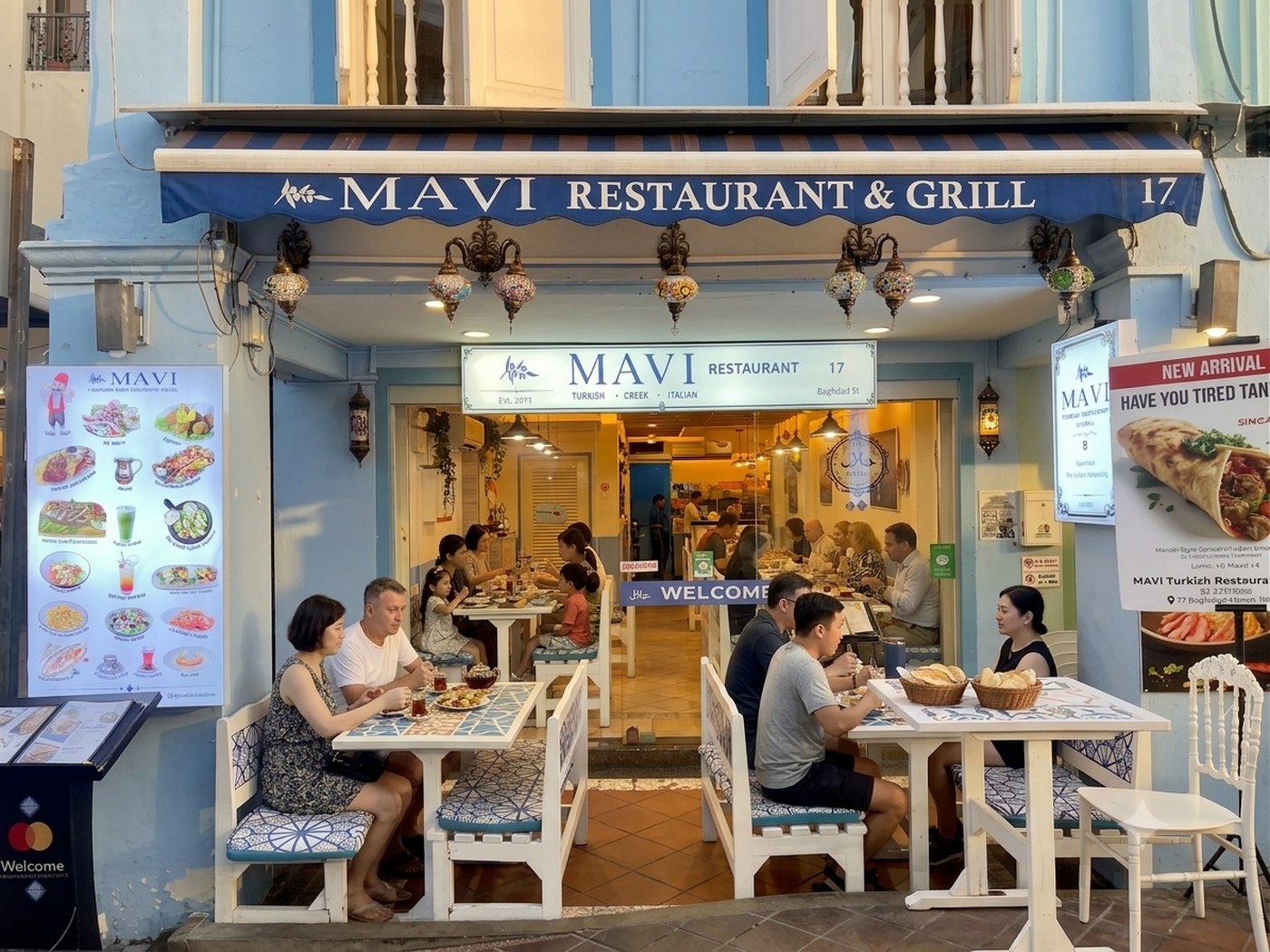
For many of us, Sunday at Lucky Plaza or Peninsula Plaza is the ritual. You hand over cash, pay a fixed fee of around S$3 to S$8, and your family collects pesos at a partner branch or pawnshop near home.
The counters still make sense when your recipient has no bank account, needs cash pickup in the province, or trusts a padala shop they have used for years. Rates at the bigger operators stay competitive, and you can ask the teller for today's rate before you commit. The cost is your Sunday afternoon and the queue.
One habit protects you here: keep the receipt and the reference number, and send it to your family right away. If a pickup goes wrong, that number is how you trace it.
The apps: better rates, no queue, if your family banks
Advertisement
Transfer apps have changed the math. Services like Wise, Instarem, and similar players often give a rate close to the real market rate and charge a low, clear fee. You send from your phone, and the money lands in a GCash wallet or a Philippine bank account, sometimes within minutes.
The catch is on the receiving end. Your family needs a bank account or an e-wallet like GCash or Maya to collect. If your mother in the province still prefers cash from the pawnshop, an app may not fit yet. If your household already uses GCash, the app route usually sends more pesos than a counter for the same dollars.
Watch two things with apps: the first transfer sometimes needs identity checks that take a day, so set it up before you are in a rush, and compare two apps before you send, because the best rate shifts week to week.
Your bank is the expensive option
A telegraphic transfer through your Singapore bank feels safe, and it is. It is also the priciest way to send a normal padala. Banks tend to charge higher fixed fees, add a cable charge, and give a weaker rate than a dedicated remittance service.
Keep the bank transfer for large, one-off amounts where the paper trail matters, like sending money for a house or a hospital bill. For your regular monthly padala, a counter or an app almost always sends more.
Send smart through the ber-months
Demand climbs from September to December, and rates can move against you when everyone sends at once. A few moves keep more pesos at home.
Split the timing if you can. Sending part now and part later spreads you across different rates instead of betting everything on one bad day. Send early in the month rather than the last Sunday before Christmas, when queues are longest and some shops run low on cash. And when the peso weakens against the dollar, your padala buys more pesos, so a soft peso week is a good week to send a little extra.
Do this before your next payday
Pick one app and one counter, and for your next padala, get a quote from both on the same amount. Compare the final pesos received, not the fee. Whichever sends more becomes your default, and you check it again each ber-month. A ten-minute comparison today can add a few hundred pesos to every send for the rest of the year.